Thanks for subscribing.
Your gift is on the way.


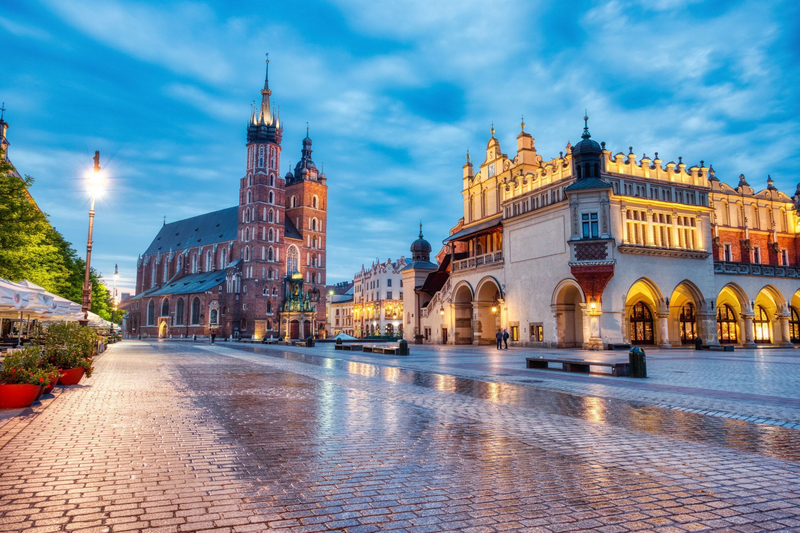
Kraków is one of Poland’s most visited cities, welcoming more than 3 million visitors in 2025, according to local tourism authority reports. It is also one of the country’s leading academic and cultural centers, with over 30 higher education institutions and a student population exceeding 150000. Its historic core, long academic tradition, and well-preserved architecture give visitors a dense concentration of sites within a relatively compact area.
The Old Town and Kazimierz are the city’s best-known districts. Both reflect different periods in Kraków’s development, from the medieval layout of the Main Market Square and Wawel Castle to the Jewish heritage of Kazimierz. At the same time, Kraków continues to change. Former industrial zones such as Zabłocie and parts of Podgórze now host galleries, cafés, and small creative businesses, and the city’s large student population gives it a steady, active pace.
What many visitors appreciate is the mix of well-known landmarks and ordinary places worth noticing. Street musicians often play near St. Mary’s Basilica. Planty Park surrounds the Old Town with a continuous ring of trees and paths. The Vistula River provides open space for walking or cycling. Evening light on Wawel Castle creates a calm view that many travelers remember.
This guide focuses on the places and experiences that define Kraków. It covers the major attractions, important museums, quieter areas, historic neighborhoods, and everyday details that help visitors understand how the city works and what makes it appealing.
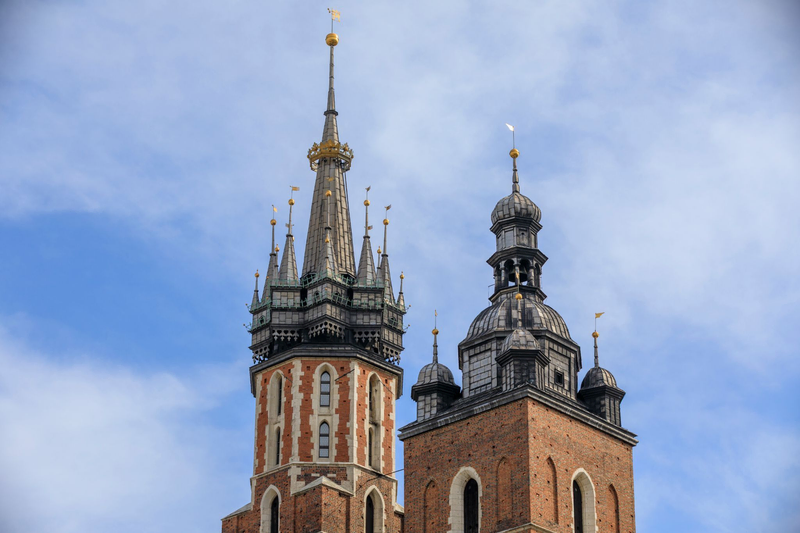
Kraków’s Old Town is usually the starting point for visitors because many of the city’s main landmarks sit within a short walking distance from one another. The area has kept much of its original medieval layout, which makes it straightforward to navigate. Streets lead toward the Main Market Square, a large open space that functions as the center of the district.
The square contains several notable buildings. St. Mary’s Basilica stands out with its two towers and hourly trumpet signal. The Cloth Hall, once a major trading site, still operates as a place where local artisans sell crafts and small souvenirs. The Town Hall Tower offers a viewpoint over the square and nearby rooftops.
Walking through the Old Town gives you a clear sense of Kraków’s long history, but the area is not only a historic zone. It is also an active part of the city filled with cafés, bakeries, and shops used by both locals and visitors. Side streets often lead to smaller courtyards, small museums, and quieter corners where you can step away from the main paths. Spending time here provides a useful introduction to the rest of Kraków and helps you understand how the city grew over the centuries.
Do you have IT recruitment needs?
Near the northern edge of the Old Town stands St. Florian’s Gate and the Barbican, two preserved structures from the former defensive walls. The gate marked the main entrance to medieval Kraków and still stands at the start of Floriańska Street, the historic route that leads toward the Main Market Square. The circular Barbican shows how the city protected itself before the walls were dismantled, and together they give a clear sense of the city’s earlier defensive layout.
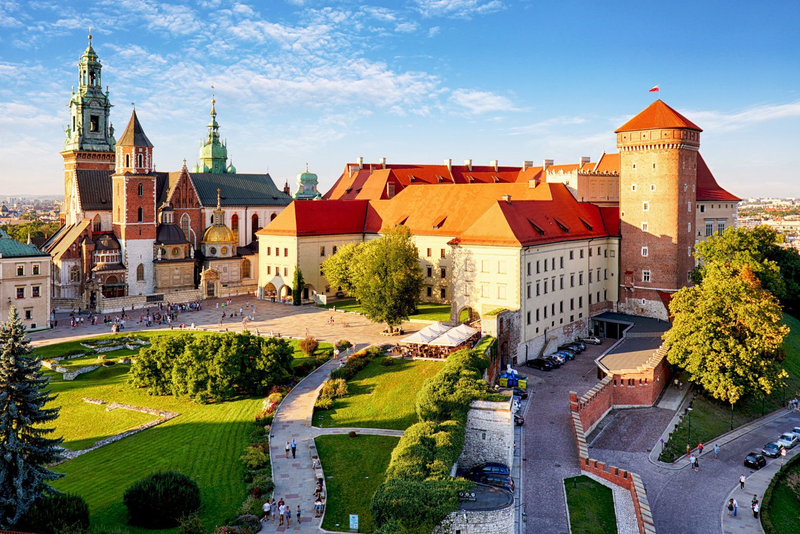
A short walk from the Old Town brings you to Wawel Hill, one of the most important historical sites in Poland. The hill overlooks the Vistula River and includes two main structures: the Royal Castle and Wawel Cathedral. Both played central roles in the country’s political and cultural history for many centuries.
The Royal Castle and the Cathedral operate as two separate institutions with separate ticket systems. Castle tickets are sold through the official site bilety.wawel.krakow.pl, at the on-site ticket offices, or via self-service machines on the hill.
The Castle does not sell tickets to the Cathedral, Royal Tombs, Sigismund Bell, or Cathedral Museum – those are handled through the Cathedral’s own website.
Walking the grounds and courtyards of Wawel Hill is free and requires no ticket. Paid access covers the interiors: the State Rooms and second-floor collections cost 53 PLN regular and 40 PLN reduced, while the Crown Treasury and Armoury is 43 PLN regular and 32 PLN reduced. The Dragon’s Den and outdoor seasonal sites range from 9 to 19 PLN depending on the attraction.
On Mondays, specific exhibitions are free for individual visitors, but free tickets must still be collected at the ticket office and the supply typically runs out by 10am. Booking online up to four weeks in advance is the most reliable way to secure a specific time slot, and during summer months, booking five to seven days ahead is the minimum recommended lead time, as the State Rooms and Crown Treasury sell out quickly due to daily visitor limits.
After exploring the historic center, many visitors look for a deeper understanding of the city’s past. Kraków has several museums that explain different periods of its history. Each one focuses on a specific aspect of the city’s development and helps visitors build a clearer picture of how Kraków changed over time.
One of the most visited museums is Schindler’s Factory in the Zabłocie district. Entry is often controlled through timed tickets, and advance booking is commonly required, especially during peak travel periods. The exhibitions here do not center solely on Oskar Schindler. Instead, they describe daily life in Kraków during World War II, showing how the city operated under occupation and what its residents experienced. Photographs, documents, and reconstructed spaces present this period in a structured and accessible way.
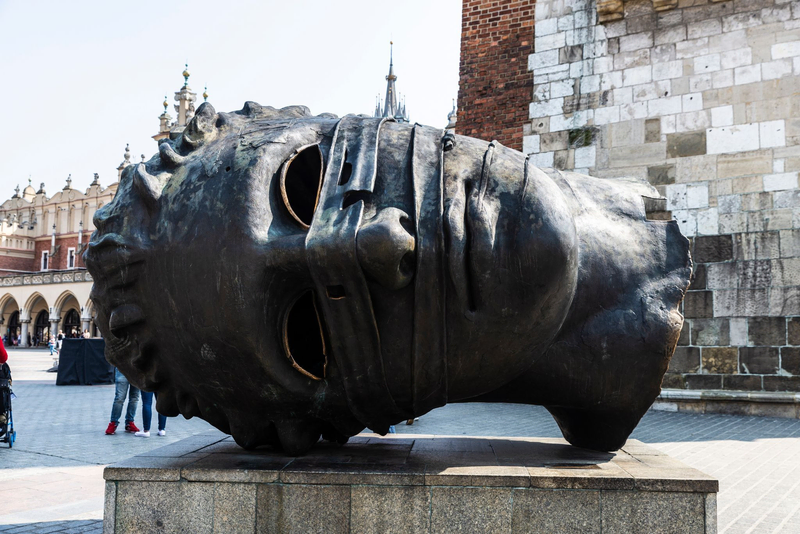
Another significant site is the Rynek Underground Museum, located beneath the Main Market Square. Archaeological work uncovered foundations, tools, and building fragments from medieval Kraków. The museum displays these findings in their original locations and uses interactive elements to explain how the square functioned when Kraków was a key trading center.
Many travelers also choose to visit the Auschwitz-Birkenau Memorial and Museum, situated outside Kraków in the town of Oświęcim. The visit provides historical context about the Holocaust and the events connected to the former concentration and extermination camp. It remains an important part of understanding the region’s recent history.
Admission to the grounds is free, though a fee applies for visits with a Museum Educator. Since march 1, 2026, all entry passes must be booked online through the official museum website at visit.auschwitz.org.
No entry cards are available at the entrance, and the number of passes is limited. Visitors are advised to arrive at least 30 minutes before their tour due to security checks.
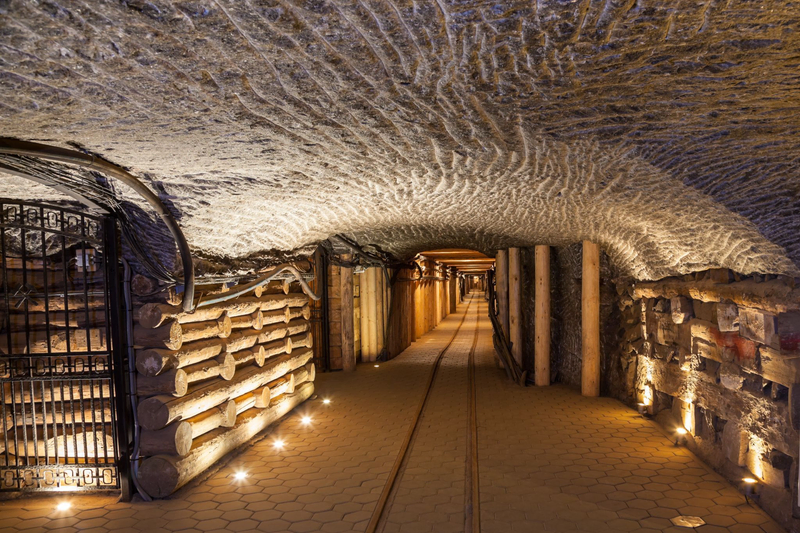
A short distance from the city, the Wieliczka Salt Mine offers another perspective on Kraków’s development. The mine operated for centuries and contains a network of underground chambers carved entirely from salt. Guided tours lead visitors through tunnels, chapels, and saline lakes while explaining the techniques used by workers who maintained the site. The preserved craftsmanship shows how important this industry was for the local economy.
Entry is by guided tour only, and tickets are timed, so last-minute availability is not guaranteed, especially for English-language tours. The official booking site is bilety.kopalnia.pl; tickets are also sold at the on-site ticket office and vending machines. Prime time slots between 10 am and 2 pm tend to sell out three to five days in advance.
Together, these places illustrate different phases of Kraków’s story, from its medieval beginnings to the events of the 20th century.
Do you have IT recruitment needs?
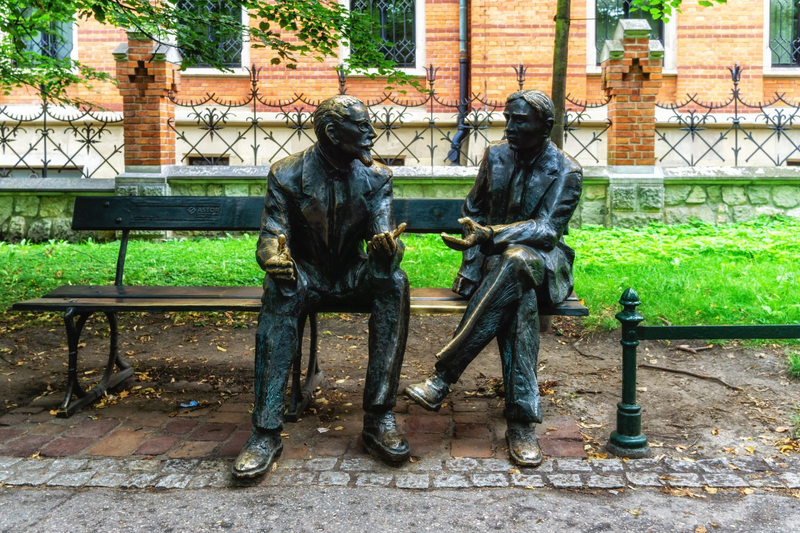
Kraków offers several outdoor areas where visitors can step away from the busy streets and move at a calmer pace. These places are spread throughout the city, making them easy to reach while exploring different districts.
Planty Park forms a continuous green ring around the Old Town. It replaced the medieval defensive walls and now serves as a long walkway with trees, benches, and small gardens. People use it for morning walks, reading breaks, and short pauses between sightseeing stops. Because the path circles the entire Old Town, it also provides a practical way to move between different areas of the center.
Along the Vistula River, wide boulevards stretch for several kilometers. These paths are popular for cycling, jogging, and simple walks. The riverbanks offer open views of Wawel Hill and provide access to bridges that connect the older parts of the city with newer neighborhoods. On warm days, many residents choose this area for outdoor activities, keeping the space active yet relaxed.
Farther along the river, Tyniec Abbey sits on a hill overlooking the water. It remains an active monastery and is reachable by bicycle or boat, making it a quiet half-day trip for visitors interested in historical sites outside the center.
These green and open spaces balance the historic core by offering room to rest. They also show a different side of Kraków, where everyday life unfolds at a steady and comfortable pace.
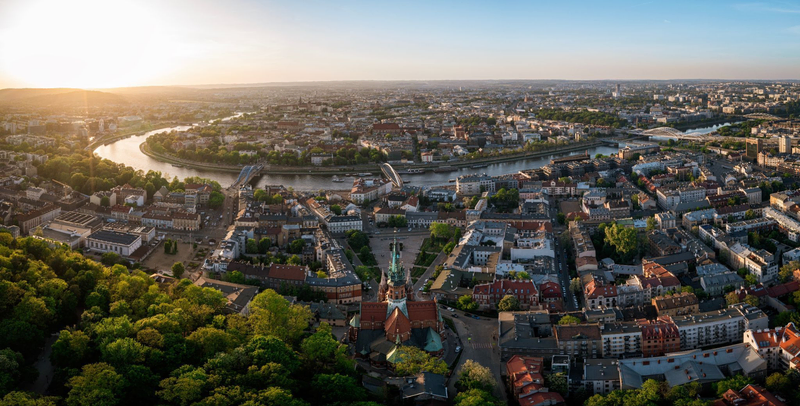
Beyond the historic center, several districts just outside the historic center show Kraków’s variety and help visitors understand how different communities shaped the city over time. Each area has its own character, architecture, and pace.
Kazimierz, the historic Jewish Quarter, is one of Kraków’s most distinctive areas. It contains synagogues, small museums, specialty shops, and cafés that reflect its long cultural tradition. The district feels different from the Old Town, with narrower streets, older buildings, and a mix of residential and cultural spaces. Several synagogues remain active, and the Remuh Cemetery provides additional context about the community’s long history.
Across the river is Podgórze, a district with a quieter layout and several important historical sites linked to World War II. The main square and surrounding streets have a local, residential feel, and the area is less crowded than the Old Town or Kazimierz. Parts of the former ghetto still remain, and memorial installations mark key locations. Ghetto Heroes Square, with its large installation of metal chairs, commemorates the site where residents were gathered before deportation.
Next to Podgórze is Zabłocie, a former industrial zone that has changed significantly in recent years. Older factories and warehouses have been converted into galleries, offices, and modern apartments. Schindler’s Factory Museum and the Museum of Contemporary Art in Kraków (MOCAK) are located here, and the district continues to develop as a contemporary cultural area with cafés, small restaurants, and design studios.
On the eastern side of the city, Nowa Huta presents a different image of Kraków. It was planned and built after World War II as a model socialist district with wide avenues, large public squares, and residential blocks arranged according to the urban planning principles of that period. The area contrasts sharply with the medieval layout of the Old Town and remains one of the most informative places for understanding Kraków’s post-war development.
Exploring these neighborhoods provides a clearer picture of Kraków beyond its historic center. Each district contributes to the city’s identity and offers its own set of experiences.
Kraków has several historic mounds that function as natural viewpoints. Krakus Mound and Kościuszko Mound are the most visited, and both offer open views of the city and surrounding areas without requiring long walks or special preparation. From the top, you can easily see how the river curves through the city, where the older districts begin, and how newer neighborhoods extend outward.
Kościuszko Mound includes a small exhibition inside the fortifications surrounding it, and the area around the mound is well-maintained, making it a popular place for short afternoon trips. Krakus Mound, the oldest of Kraków’s mounds, offers a quieter setting and is often visited for sunset views over Podgórze and the Old Town.
These vantage points help visitors understand the city’s structure as a whole, something that is less visible when exploring at street level. They also provide a simple way to step back from the center and see Kraków from a wider perspective.
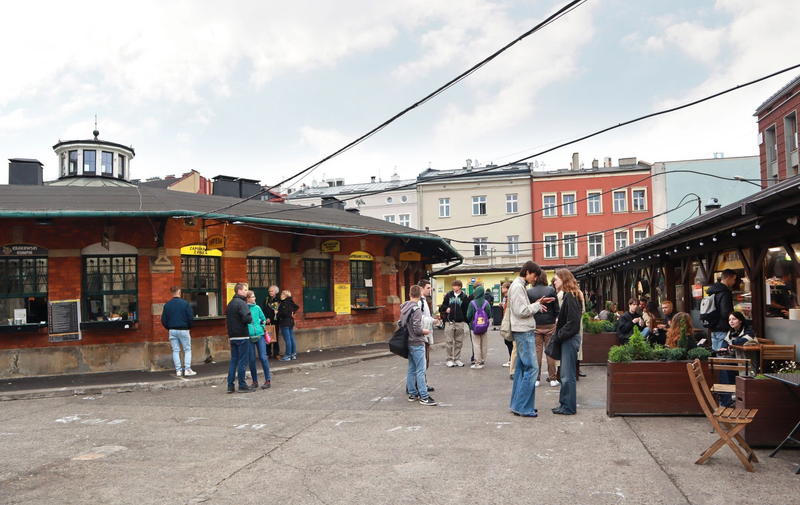
Alongside well-known sites, Kraków offers everyday places that leave a strong impression. These smaller details help visitors understand how the city functions beyond its major attractions.
In the Old Town, side streets often lead to inner courtyards, small museums, and quiet passageways that sit close to the main routes but feel separate from them. These areas can be easy to miss, yet they show how the city grew around older buildings and preserved parts of its original layout.
Kraków also has several foods closely tied to its everyday life. Obwarzanek is sold from small blue carts and is available throughout the day. In Kazimierz, Plac Nowy is known for serving zapiekanka, toasted baguettes with various toppings, which have developed into a recognizable local street food. Simple lunch spots, including traditional milk bars, remain common and provide an inexpensive way to try regional dishes.
Local food stalls, small bakeries, and outdoor markets operate in different districts and offer fresh produce and regional specialties. Cafés often serve as informal meeting places for students and residents, which keeps many streets active throughout the day.
Street musicians commonly perform near St. Mary’s Basilica and in other parts of the Old Town. Their presence is not organized entertainment but a regular feature of the area, and it adds to the overall atmosphere without dominating it.
Kraków rewards visitors who move at a slower pace. The city’s character comes through in its daily routines as much as in its monuments, and the gap between the two is smaller here than in many European cities of comparable historical weight. A morning obwarzanek from a street cart, lunch at a milk bar, or an hour spent in a quiet courtyard off the Royal Road all form part of the same city that contains Wawel Hill and the Cloth Hall. That overlap between living city and historical record is what makes Kraków a place worth spending time in rather than simply passing through.
Kraków is easy to navigate, even for first-time visitors. Most central areas sit close to one another, and public transport covers the rest of the city in a clear and predictable way.
Trams form the core of local transport. They connect the Old Town, Kazimierz, Podgórze, Nowa Huta, and Zabłocie through frequent lines that run from early morning until late at night. Buses cover the remaining routes and provide night services.
Single tickets, time-based tickets, and short-term passes are available from machines at stops, inside vehicles, and through mobile apps. Tickets are validated once you board. For visitors staying several days, 48-hour or 72-hour passes usually offer the best value.
Kraków’s main train station sits next to the Old Town and provides direct connections to the airport, Wieliczka, Oświęcim, and other Polish cities. From the airport, trains reach the center in about 20 minutes.
Pedestrian streets make movement through the Old Town and Kazimierz simple. Bike paths run along the river and across several districts, and short-term bike rentals are widely available.
Most visitors walk across the Main Market Square without realizing that an extensive archaeological complex sits directly underneath it. Foundations of medieval houses, market stalls, stone roads, and everyday items were uncovered during restoration work. These findings were preserved in place and turned into the Rynek Underground Museum.
Every hour, a trumpeter performs a signal from the tallest tower of St. Mary’s Basilica. The melody stops suddenly before completing the final note. This tradition remembers a legendary lookout whose warning call was interrupted during an attack. The unfinished melody has been preserved as a reminder of that moment.
Although Warsaw is the administrative center today, Kraków held that role earlier in history. Many important events, including coronations and royal ceremonies, took place here. The city remained a major academic and cultural hub even after the capital moved.
The story describes a dragon living in a cave beneath Wawel Hill, a tale familiar to many Polish children. A sculpture at the riverbank now symbolizes the legend, and its occasional bursts of flame make it a small but memorable attraction.
Founded in the 14th century, Jagiellonian University has operated continuously for many centuries and counts Nicolaus Copernicus among its most notable alumni. With many departments located in the historic center, the university continues to influence how the nearby neighborhoods function and feel.
Do you have IT recruitment needs?
Kraków is a city that combines major historical sites with approachable everyday spaces. Its compact layout allows visitors to see a large portion of the center on foot, which makes the experience straightforward and practical. The Old Town offers medieval architecture and familiar landmarks, while Wawel Hill provides insight into the country’s political and cultural past. Museums across the city explain different phases of Kraków’s development, from its early growth to the events of the 20th century.
Beyond the main attractions, Kraków’s neighborhoods, riverfront areas, and parks help visitors understand how the city functions day to day. Kazimierz, Podgórze, and Zabłocie each show a different side of modern Kraków through their cafés, small shops, residential streets, and historic sites. The balance between well-known places and quieter corners makes the city easy to explore at your own pace.
Whether you are interested in history, architecture, food, or simple walks, Kraków offers enough variety to fill several days without feeling overwhelmed. It draws more tourists than any other city in Poland because it presents its past clearly while still operating as a lively and accessible place to spend time.
Discover how IT recruitment and staffing can address your talent needs. Explore trending regions like Poland, Portugal, Mexico, Brazil and more.
 Frequently asked questions (FAQ)
DevsData – your premium technology partner
DevsData is a boutique tech recruitment and software agency. Develop your software project with veteran engineers or scale up an in-house tech team of developers with relevant industry experience.
Free consultation with a software expert
🎧 Schedule a meeting
FEATURED IN


DevsData LLC is truly exceptional – their backend developers are some of the best I’ve ever worked with.”

Nicholas Johnson
Mentor at YC, serial entrepreneur


 Build your project with our veteran developers.
Explore the benefits of technology recruitment and tailor-made software.
Learn how to source skilled and experienced software developers.
Build your project with our veteran developers.
Explore the benefits of technology recruitment and tailor-made software.
Learn how to source skilled and experienced software developers.

Rebecca Botvin

Commercial Director

Tom Potanski
Manager




Categories: Big data, data analytics | Software and technology | IT recruitment blog | IT in Poland | Content hub (blog)














careers@devsdata.com









general@devsdata.com

"I interviewed about a dozen different firms. DevsData LLC is truly exceptional – their backend developers are some of the best I've ever worked with. I've worked with a lot of very well-qualified developers, locally in San Francisco, and remotely, so that is not a compliment I offer lightly. I appreciate their depth of knowledge and their ability to get things done quickly."

Nicholas Johnson
CEO of Orange Charger LLC,
Ex-Tesla Engineer,
Mentor at YCombinator
"DevsData reached out to us, as we've been looking to grow our engineering team in Europe and Poland. Communicating efficiently and professionally, DevsData made a strong impression with their understanding of the recruitment challenges we were facing. They designed a tailored recruitment process for our needs. I was impressed with the technical depth of their approach."

Karim Butt
Co-Founder & CTO at GlossGenius, Inc.
"Out of all the vendors we work with, DevsData clearly stands out. The quality of developers they deliver is beyond what we've received from any other vendor, and they've been able to send profile recommendations very quickly. I'm happy to be their reference for other companies from Israel and talk about their recruitment abilities and what they delivered for us."

Ran Eyal
Senior Manager at
ZIM Integrated
Shipping Services Ltd.
"DevsData demonstrated a strong degree of proactivity, taking time to thoroughly understand the problem and business perspective, and continuously suggesting performance and usability enhancements. Their app exceeded my expectations. I've worked with DevsData on numerous projects over the last 3 years and I'm very happy. Being both responsive and honest in communication."

Jonas Lee
Partner & Executive VP of Verus,
Financial LLC, Investor,
& Serial Entrepreneur
Acknowledgments