Thanks for subscribing.
Your gift is on the way.
 Link copied



The MedTech sector is undergoing rapid transformation, driven by a growing demand for advanced healthcare solutions, digital diagnostics, and AI-powered medical devices. Recent innovations include wearable health monitors with real-time data analytics, AI-assisted imaging tools, robotic surgery systems, and connected medical devices that integrate seamlessly with hospital IT infrastructures. As the industry evolves, so does the need for specialized talent capable of bridging medicine, software, and engineering. Recruitment in this space has become a defining factor for companies seeking to stay competitive in a highly specialized and innovation-driven market. The relevance of MedTech recruitment is further underscored by the industry’s impressive growth trajectory. According to recent projections, the global medical software market is expected to expand from $67.73 billion in 2025 to $116.66 billion by 2029, reflecting a compound annual growth rate (CAGR) of 14.6%. This surge is not only a sign of increased investment and innovation but also a clear signal that the demand for qualified talent will intensify in parallel.
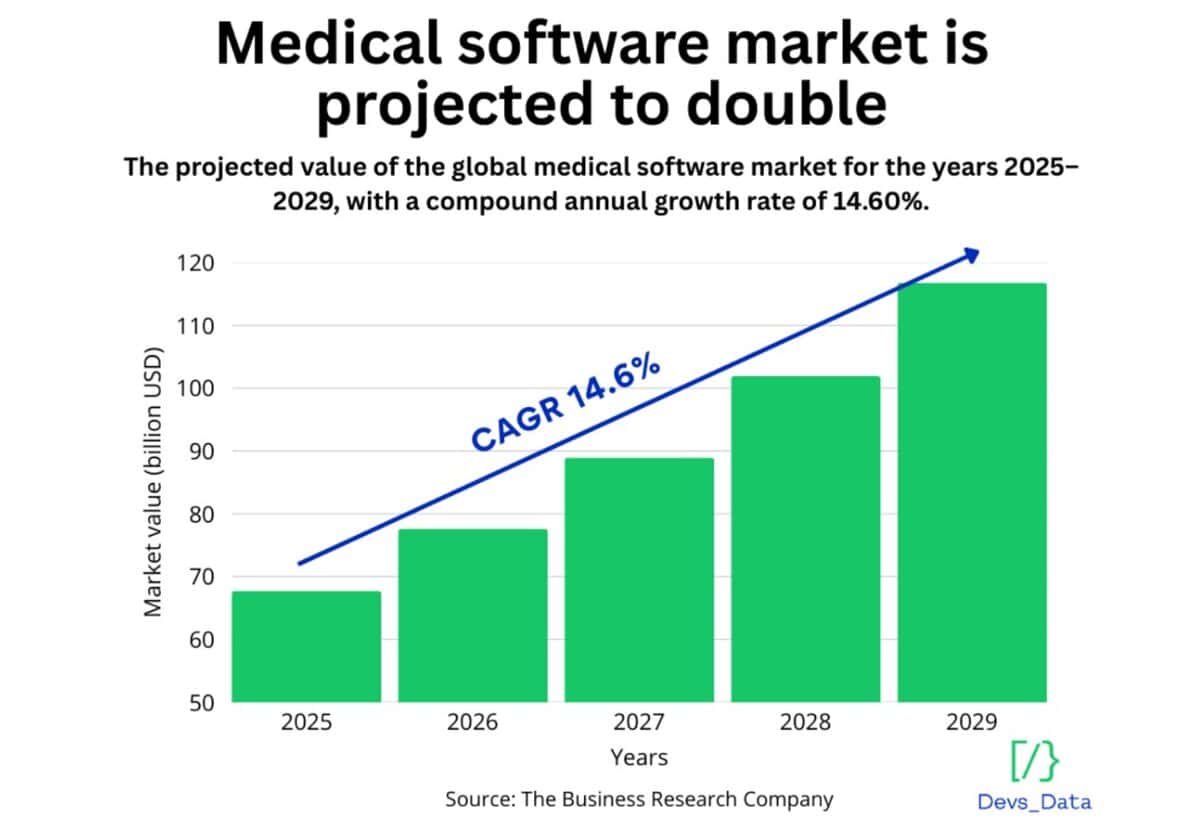
Geographically, the MedTech landscape is concentrated in two primary regions: the United States, which accounts for 47.2% of the global market, and Europe, which follows with 26.1%. These markets are home to many of the world’s leading medical technology manufacturers, software developers, and research institutions. For recruitment agencies, this concentration of MedTech activity presents both an opportunity and a challenge: navigating a complex, regulated environment while sourcing professionals with niche skills such as embedded systems, FDA compliance, or biomedical data science. Understanding the regional dynamics and regulatory frameworks of these markets is essential for effective hiring.
With increasing pressure on companies to deliver solutions quickly and in compliance with strict industry standards, finding the right candidates has never been more critical. In this article, we share our insights into the MedTech hiring landscape, explore key challenges, and showcase our hands-on experience recruiting for clients in the medical devices and software sectors, particularly across the US and European markets.
The MedTech industry is shaped by rapid innovation, evolving care models, and global shifts in healthcare delivery. These changes directly influence recruitment, with new talent demands emerging across engineering, software, compliance, and data-driven roles. Below are the key trends currently defining the MedTech hiring landscape.
The MedTech sector faces a rising need for highly specialized professionals. Roles such as bioprocess engineers, regulatory affairs specialists, and device cybersecurity experts are in increasingly short supply. According to recent studies, the life sciences industry is experiencing a tight labor market, with unemployment rates in the US below 2% and a widespread struggle to source qualified professionals. While the demand for digital talent in MedTech constantly increases, the global talent shortage is expected to reach 4.3 million people by 2030 in the technology sector alone, directly translating into longer hiring cycles, intensified competition for specialized profiles, and upward pressure on recruitment and retention costs.
AI is already being actively used in the MedTech sector. As per recent data, AI helped MedTech businesses to improve their labeling productivity — the creation and management of product information, packaging, and regulatory documentation — by 20% to 30% and reduced costs for contract compliance by 1% to 4%. The financial benefit for MedTech companies after implementing AI in their operation is estimated at $14 billion to $55 billion per year. With the growing use of AI in both clinical and business operations, companies increasingly need candidates with hybrid skills spanning healthcare and tech. Specialized recruitment agencies help bridge this gap by sourcing professionals with rare combinations of expertise, such as machine learning engineers familiar with regulatory requirements, while also designing screening processes that test both technical ability and sector-specific compliance knowledge.
Trends like AI, cybersecurity, and IoT are not just shaping MedTech products; they’re reshaping what the hiring process needs to deliver.
Companies are diversifying their manufacturing and R&D bases, often moving into new regions beyond traditional hubs. This trend complicates recruitment efforts, as firms must find local talent familiar with regional regulations and product standards. Localization is partly a response to geopolitical instability and supply chain pressures, which in turn necessitate more flexible and geographically aware recruitment strategies. Recruitment agencies can address this challenge by leveraging global sourcing networks and maintaining local market knowledge, enabling clients to identify compliant candidates quickly, even in emerging regions. They also adapt outreach and employer branding to reflect cultural nuances, improving candidate engagement in new markets. Simultaneously, the growing importance of cultural and regional fluency in hiring across new markets remains a relevant challenge for MedTech recruitment agencies. It involves assessing candidates’ ability to communicate effectively across diverse cultural contexts, align with local workplace norms, and adapt global MedTech practices to regional patient care standards.
As the workforce ages (20% of life sciences professionals are now over 55), upskilling and retention have become central to talent strategy. MedTech organizations are investing more in continuous learning and internal mobility. At the same time, there’s growing emphasis on building diverse, inclusive teams to foster innovation and resilience. DE&I initiatives are a key to not only improving workplace culture but also attracting top candidates in a competitive market. Recruitment partners play an important role here by designing inclusive hiring processes, advising on equitable job descriptions, and helping companies identify candidates from underrepresented groups. Many agencies also offer market insights to support internal upskilling plans, ensuring that organizations build sustainable, future-ready talent pipelines rather than relying solely on external hires.
Recruiting in the MedTech sector presents a distinct set of challenges shaped by regulatory demands, technical complexity, and talent shortages. Below are the most pressing recruitment barriers in the field today, and the approaches that have proven effective in overcoming them.
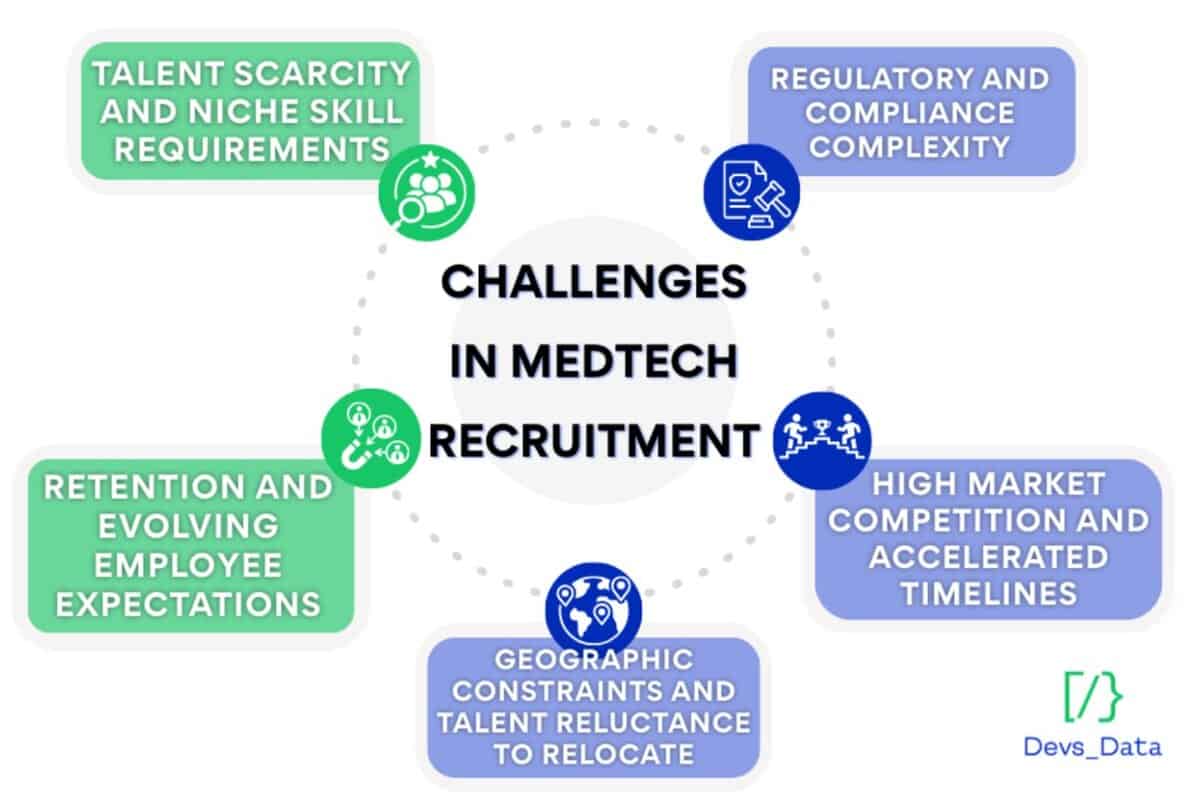
Many MedTech roles demand hybrid expertise that crosses software engineering, medical device hardware, data science, and regulatory compliance, a combination that traditional recruiters often struggle to assess accurately due to siloed screening processes and limited domain-specific technical validation. The pool of candidates with this combination is limited, and competition for them is intense. Sourcing candidates with experience in embedded systems, diagnostic software, or AI for healthcare is one of the biggest hiring challenges for MedTech businesses.
We focus on specialized sourcing strategies tailored to the MedTech space. This includes engaging passive candidates through targeted outreach on professional platforms, personalized communication, and participation in niche MedTech forums and events. We also build relationships within academic and R&D communities, and target professionals from adjacent industries with transferable skill sets. Our technical screening procedures, which include practical coding challenges, case-based assessments, and technical interviews conducted by senior engineers, ensure that only candidates with proven, hands-on expertise reach the client stage, resulting in fewer interview rounds per hire and lower early-stage attrition after placement.
MedTech is one of the most heavily regulated industries, governed by the Food and Drug Administration (FDA), European Medical Device Regulation (MDR), and International Organization for Standardization (ISO) standards. Candidates must be able to navigate both technical and compliance frameworks, especially in roles involving quality assurance, clinical systems, or software validation.
We integrate regulatory-specific criteria into every step of the hiring process. From job briefs to final interviews, candidates are assessed on real-world compliance experience and understanding of documentation standards, routinely screening for hands-on experience with MDR Class II/III devices and comparable regulatory frameworks. This ensures alignment with the regulatory environments our clients operate in.
MedTech firms today need engineers who can not only write code but also navigate complex regulatory standards and emerging technologies.
Top-tier candidates in MedTech, particularly those with experience in AI, software development, and cybersecurity, often receive multiple offers. Prolonged hiring processes can lead to losing ideal candidates, and delays of even a few days can result in missed opportunities.
We implement streamlined, transparent recruitment workflows to reduce time-to-hire. Pre-scheduled interview rounds, early involvement of key decision-makers, and clearly communicated timelines keep candidates engaged. In parallel, we help position each opportunity with a strong value proposition, emphasizing project impact, flexibility, and professional growth.
Many MedTech hubs are located in high-cost or highly competitive markets, which limits local talent availability. Convincing professionals to relocate, especially internationally, is increasingly difficult.
We adopt a localized and hybrid sourcing model. When relocation is required, we advise clients on offering structured relocation support and cultural onboarding. Where possible, we prioritize candidates already in target regions or offer remote-capable profiles to extend the search range without compromising on skill level.
Hiring alone is not enough, retaining talent in a fast-moving, innovation-driven industry is just as important. Candidates today are looking for purpose, development opportunities, and inclusive environments.
Our recruitment approach emphasizes long-term fit from the start. We assess candidates’ goals and values alongside technical skills and highlight career growth, learning initiatives, and DE&I commitments during the hiring process. We also maintain feedback loops between placed candidates and hiring teams to ensure ongoing alignment and retention.
DevsData LLC has partnered with major players and rising disruptors in the MedTech and healthcare technology sectors to address complex recruiting needs. These collaborations involved more than just sourcing qualified talent; they required a deep understanding of regulatory landscapes, cross-functional integration, and urgency-driven scaling. The cases below illustrate how DevsData LLC helped companies tackle both common industry-wide hiring challenges and emerging demands shaped by digital transformation in MedTech.
When Johnson & Johnson launched a new R&D center in Warsaw focused on laparoscopic medical devices, they needed engineers capable of navigating both hardware-software integration and medical compliance standards. DevsData LLC recruited C++ developers and data engineers with experience in embedded systems, sensor interfacing, and regulated environments, an area where talent shortages are common due to the niche skill set required.
The project exemplified the rising demand for hybrid roles combining software proficiency with deep tech knowledge, a key industry trend. To meet this need, DevsData tapped into its European candidate network, ran targeted outreach, and implemented domain-specific screening procedures that included live coding tasks tailored to medical-device software challenges, scenario-based problem-solving for compliance-heavy environments, and behavioral interviews focused on cross-functional collaboration. This process ensured that shortlisted candidates not only had the right technical skills but could also operate effectively under regulatory constraints and within multidisciplinary R&D teams.

Roche approached DevsData LLC with a time-sensitive request: augment digital teams across several divisions without disrupting compliance workflows or ongoing projects. The need was driven by Roche’s broader digital transformation goals, particularly the modernization of internal platforms and clinical data systems.
DevsData LLC delivered backend (Java), frontend (React), and Python-focused data engineers within three weeks. One of the main challenges was balancing modern technical skills with experience working in environments constrained by legacy systems and strict GxP requirements, a recurring issue in the industry. The team implemented a two-layer vetting process to assess not only coding proficiency but also the ability to operate within documentation-heavy, compliance-first settings.

As a rapidly growing startup delivering primary care through digital channels, JutroMedical needed developers who could thrive in a dynamic, product-led setting. The roles, a React and a Node.js developer, demanded technical versatility and familiarity with patient-centric design principles.
DevsData LLC used its agile recruitment model to identify and onboard both candidates within just 2.5 weeks. Instead of traditional resume filtering, the team focused on practical assessments combined with behavioral and situational interviews to evaluate communication, problem ownership, and collaboration style — all crucial in a cross-functional environment working closely with doctors and operations teams. Candidates were also assessed on adaptability, decision-making under pressure, and alignment with JutroMedical’s mission to ensure they could thrive in fast iteration cycles without compromising patient safety or data compliance.
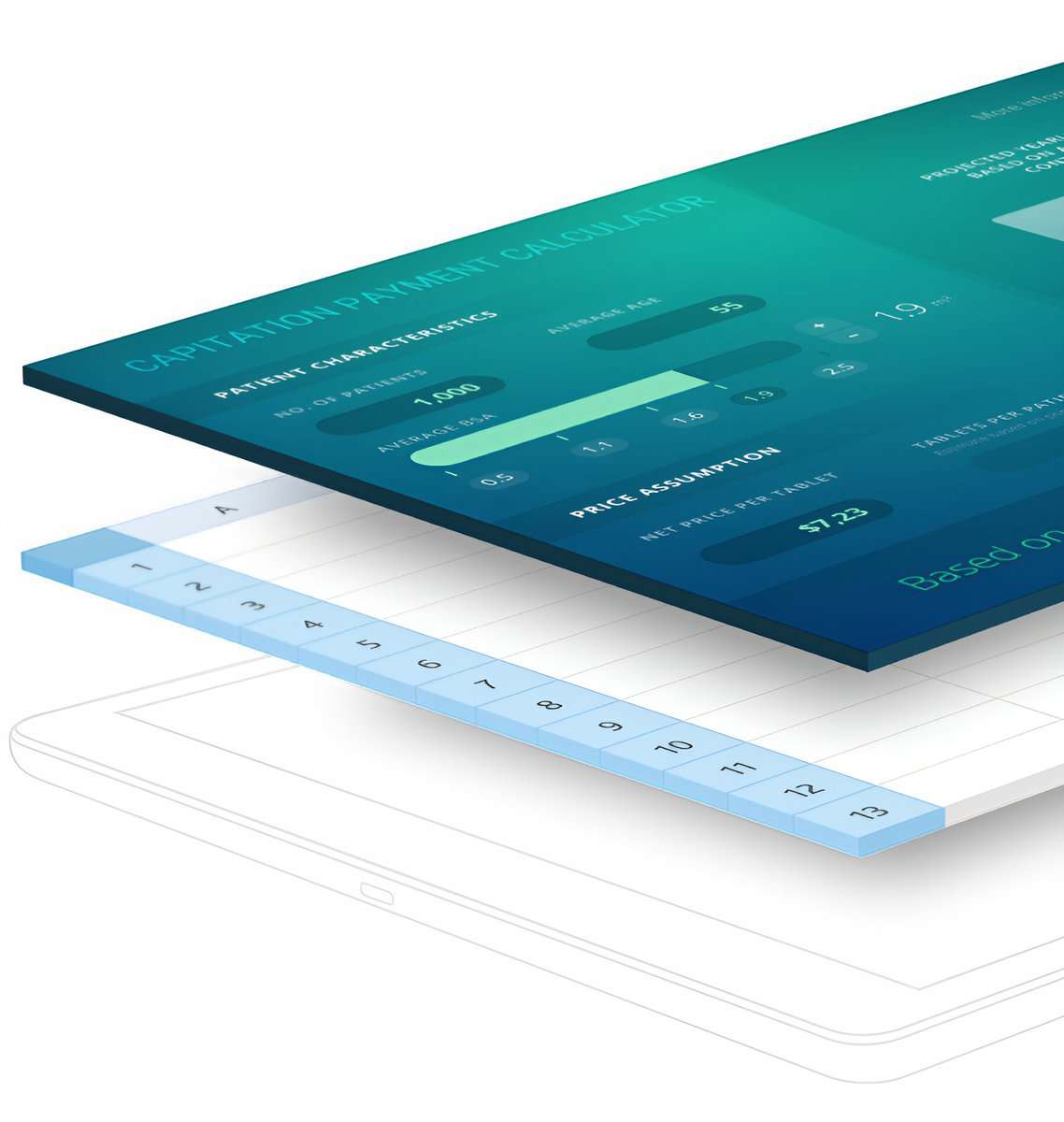
BaseCase, later acquired by Certara, sought JavaScript developers to support its interactive pharma communication platform. The challenge was to find developers with a strong sense of user interface design and familiarity with healthcare-related data visualization.
DevsData LLC conducted targeted outreach to engineers who had worked on dashboards, analytics tools, and modular frontend architectures. The selected candidates enhanced BaseCase’s user experience, improving data clarity, usability, and consistency — key factors for faster decision-making, higher field adoption, and compliant presentation of regulated pharmaceutical data to commercial teams.
Choosing the right partner to fill specialized MedTech roles, especially in areas like medical devices, software, and regulated engineering, can be pivotal for product success and operational compliance. Below is a structured guide based on best practices that reflect both wider industry standards and what we’ve discussed earlier in this article’s context.
Start by collaborating internally to identify the core competencies, timeframe, and type of hire you require (e.g., permanent, contract, technical lead, or embedded engineer). Clarity on whether you need entry-level vs. domain-experienced professionals, and whether relocation is involved, sets expectations and shapes search strategy.
Look for agencies with demonstrable experience and a focus on MedTech, medical devices, and regulated software environments. Specialized firms run by industry experts or staffed with recruiters having life-science or engineering backgrounds are far more likely to deliver candidates who understand compliance frameworks (FDA, ISO, MDR) and technical nuances.
Top recruitment agencies maintain robust passive candidate networks in niche skills like embedded systems, biomedical data, and AI healthcare engineering. Ask about their methods, whether they source via referrals, events, GitHub outreach, or networks, and how they engage passive talent when competition for specialized profiles is tight.
Request case studies or performance metrics such as average time-to-fill, interview-to-hire ratios, retention rates, and candidate satisfaction. Agencies should provide evidence of fast, high-quality placements in similar roles, not just large volume but technical fit.
A reliable MedTech partner should have structured multi-stage screening: technical assessments, behavioral interviews, compliance knowledge evaluations, and background checks, tailored to regulated environments. Look for documented workflows that reflect industry-specific vetting.
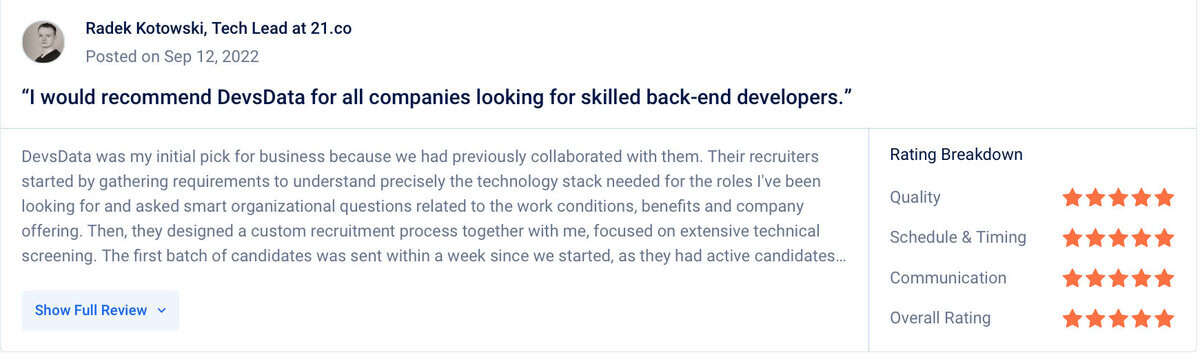
Check reviews, testimonials, or ask for references, especially from clients who hired for similar roles. This helps confirm the agency’s professionalism and candidate care. Platforms like Clutch and GoodFirms are great starting points. Avoid agencies with unethical behavior like ghosting, poor interviewer quality, or misleading outreach.
Choosing a MedTech recruitment partner means looking beyond resumes toward sector knowledge, compliance awareness, and technical screening depth.
Do you have IT outsourcing needs?
Company size: ~60 employees
Founding year: 2016
Website: www.devsdata.com
Headquarters: Brooklyn, NY, and Warsaw, Poland
DevsData LLC specializes in MedTech and medical device recruitment, supporting companies that require talent well-versed in regulated environments, software development for medical products, and advanced embedded systems. With over nine years in the recruitment market, DevsData LLC has developed a strong track record across both corporate and startup landscapes. Their team includes specialists based in the US and Europe, allowing for tailored support across time zones and local compliance needs. The company has successfully worked with clients from the US, Israel, and beyond, adapting to varied project scopes, from venture-backed startups to large-scale enterprise implementations.
Their in-house database of over 65,000 vetted candidates enables rapid sourcing for highly specific roles, including biomedical engineers, embedded developers, software testers, and AI specialists for healthcare applications. The recruitment process is designed to assess not just technical fit but also communication and cultural alignment. Each candidate completes a 90-minute live problem-solving session to validate their skills in real-world conditions. Only candidates with strong collaboration and communication abilities proceed further. DevsData LLC also operates on a success-fee model: Clients only pay once a hire is made, and every placement includes a guarantee period for additional security.
DevsData LLC has completed over 100 projects for more than 80 clients. The company holds an official, government-approved recruitment license and maintains a 5/5 rating on platforms such as Clutch and GoodFirms. For organizations in the MedTech space looking for a recruitment partner with industry knowledge, technical depth, and a vetted talent pool, DevsData LLC provides a transparent, quality-driven service model.
For more details and inquiries, contact DevsData LLC at general@devsdata.com or visit their website at www.devsdata.com.
The MedTech sector continues to evolve at a rapid pace, driven by innovation in medical software, device connectivity, and data-driven care solutions. With this growth comes an increased demand for highly specialized technical and engineering talent, professionals capable of building secure, compliant, and impactful technologies that improve patient outcomes and streamline clinical workflows. As shown by market data and industry trends, the landscape is becoming more competitive, making effective recruitment not just important, but strategic.
The challenges involved in sourcing, evaluating, and securing talent in MedTech are significant. Complex regulations, the need for cross-disciplinary skills, and rapid advancements in software and hardware development all require recruitment agencies to go beyond conventional practices. From navigating niche skill sets to ensuring cultural and compliance fit, the bar is high for agencies looking to support companies in this field. As discussed, strategies such as competency-based assessments, international talent access, and domain-specific screening processes are becoming essential in overcoming these hurdles.
DevsData LLC stands out in this space by consistently delivering on these fronts. With over nine years of experience, a team of US-based specialists, and a proven track record recruiting for companies like Johnson & Johnson, Roche, Bayer, and Jutro Medical, DevsData LLC has become a trusted partner for MedTech hiring needs. Backed by a proprietary 65,000-candidate database, an official recruitment license, and a robust interview process tailored to the demands of medical technology, the company combines precision with scalability. Whether supporting established corporations or high-growth startups, DevsData LLC offers a flexible, success-fee-based model that ensures both accountability and quality.
For more details and inquiries, contact DevsData LLC at general@devsdata.com or visit their website at www.devsdata.com.
Any questions or comments? Let me know on
Twitter/X.
Discover how IT recruitment and staffing can address your talent needs. Explore trending regions
like Poland, Portugal, Mexico, Brazil and more.
 Frequently asked questions (FAQ)
DevsData – your premium technology partner
DevsData is a boutique tech recruitment and software agency. Develop your software project with veteran engineers or scale up an in-house tech team of developers with relevant industry experience.
Free consultation with a software expert
🎧 Schedule a meeting
FEATURED IN

DevsData LLC is truly exceptional – their backend developers are some of the best I’ve ever worked with.”

Nicholas Johnson
Mentor at YC, serial entrepreneur


 Build your project with our veteran developers
Explore the benefits of technology recruitment and tailor-made software
Learn how to source skilled and experienced software developers
Build your project with our veteran developers
Explore the benefits of technology recruitment and tailor-made software
Learn how to source skilled and experienced software developers

Rebecca Botvin

Commercial Director

Tom Potanski
Manager




Categories: Big data, data analytics | Software and technology | IT recruitment blog | IT in Poland | Content hub (blog)
Email copied
And many other regional partners across Latin and North America, as well as Central and Eastern Europe. Let's talk.














careers@devsdata.com









general@devsdata.com

"I interviewed about a dozen different firms. DevsData LLC is truly exceptional – their backend developers are some of the best I've ever worked with. I've worked with a lot of very well-qualified developers, locally in San Francisco, and remotely, so that is not a compliment I offer lightly. I appreciate their depth of knowledge and their ability to get things done quickly."

Nicholas Johnson
CEO of Orange Charger LLC,
Ex-Tesla Engineer,
Mentor at YCombinator
"DevsData reached out to us, as we've been looking to grow our engineering team in Europe and Poland. Communicating efficiently and professionally, DevsData made a strong impression with their understanding of the recruitment challenges we were facing. They designed a tailored recruitment process for our needs. I was impressed with the technical depth of their approach."

Karim Butt
Co-Founder & CTO at GlossGenius, Inc.
"Out of all the vendors we work with, DevsData clearly stands out. The quality of developers they deliver is beyond what we've received from any other vendor, and they've been able to send profile recommendations very quickly. I'm happy to be their reference for other companies from Israel and talk about their recruitment abilities and what they delivered for us."

Ran Eyal
Senior Manager at
ZIM Integrated
Shipping Services Ltd.
"DevsData demonstrated a strong degree of proactivity, taking time to thoroughly understand the problem and business perspective, and continuously suggesting performance and usability enhancements. Their app exceeded my expectations. I've worked with DevsData on numerous projects over the last 3 years and I'm very happy. Being both responsive and honest in communication."

Jonas Lee
Partner & Executive VP of Verus,
Financial LLC, Investor,
& Serial Entrepreneur
Acknowledgments