Thanks for subscribing.
Your gift is on the way.



Toronto is one of North America’s most visited and most lived-in cities – a place that functions simultaneously as a global travel destination and a long-term professional hub. Tourism data reflects this dual role clearly. In recent years, Toronto has welcomed close to nine million overnight visitors annually, generating record-high visitor spending and confirming the city’s position as Canada’s leading urban destination. Festivals, cultural institutions, food districts, and large-scale events continue to draw international attention, while the city’s infrastructure absorbs this volume without losing everyday functionality.
At the same time, Toronto’s appeal increasingly extends beyond tourism. Canada has become one of the world’s most attractive destinations for skilled professionals, particularly in technology, with tens of thousands of IT specialists relocating to the country each year. Surveys and migration data consistently show that tech professionals rank Canada among their top relocation choices, driven by strong demand for digital skills, transparent immigration pathways, and overall quality of life. Toronto, as the country’s largest tech hub, concentrates a significant share of this workforce, hosting major engineering teams, startups, and international technology operations.
What makes Toronto distinctive is how these two dynamics intersect. Visitors encounter a city that feels active but structured, dense but navigable. Professionals considering relocation see not just job availability, but an urban environment capable of supporting long-term routines, from commuting and housing to social life and cultural access. The city’s diversity, scale, and economic stability make it adaptable to different life stages, whether someone is visiting for a week or planning a multi-year move.
This article looks at Toronto from both perspectives. It explores what to visit, eat, and experience across the city, shares practical travel insights, and then shifts toward Toronto’s role as a relocation destination for IT specialists, including how professionals can navigate career opportunities and long-term work in the city.
Toronto’s character unfolds across neighborhoods, waterfronts, cultural districts, and public spaces that locals use daily. The city’s most interesting places are those where scale, diversity, and everyday life intersect, offering context rather than spectacle. These are the locations that help visitors understand how Toronto works, not just how it looks.

The CN Tower remains Toronto’s most recognizable landmark, but it offers far more than observation decks and skyline views. Located in downtown Toronto, it sits amid major office towers, cultural attractions, transit hubs, and public gathering spaces, making it a central reference point within the city’s core. Visiting the tower offers a literal overview of the city’s scale and layout, while the surrounding area, including rail corridors, stadiums, and waterfront access, illustrates how infrastructure and urban life are tightly integrated.
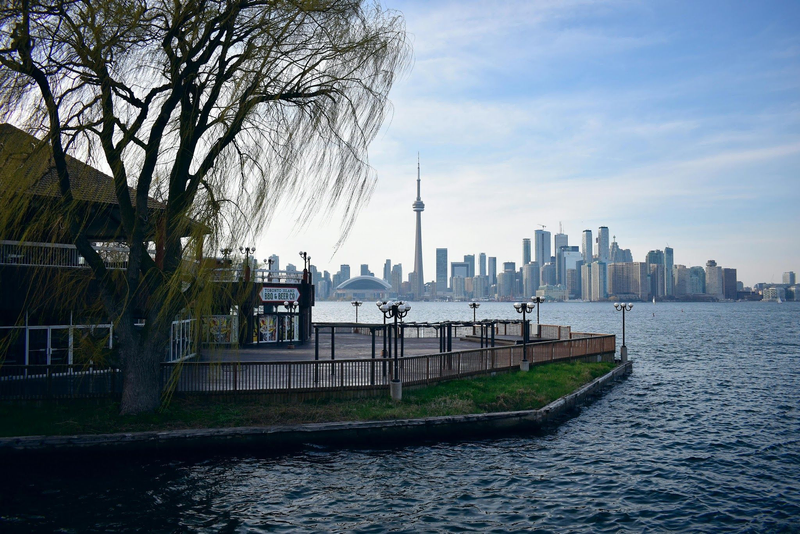
Just a short ferry ride from downtown, the Toronto Islands feel surprisingly removed from the city’s density. Car-free paths, beaches, and residential cottages create a slower rhythm that contrasts sharply with the mainland. Locals use the islands for cycling, picnics, and skyline views, especially in warmer months. The islands highlight Toronto’s relationship with Lake Ontario and show how nature and urban life coexist within minutes of each other.
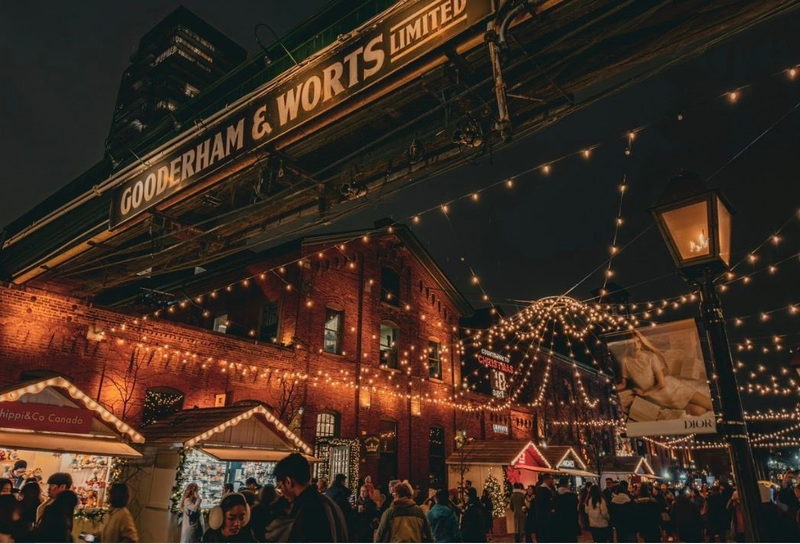
The Distillery District is one of Toronto’s best-preserved historic areas, featuring Victorian-era industrial buildings repurposed into pedestrian streets, galleries, cafés, and event spaces. While clearly curated, it remains active year-round, hosting markets, exhibitions, and festivals. The area offers insight into Toronto’s industrial past and its approach to adaptive reuse, turning heritage architecture into a functional public space rather than static monuments.
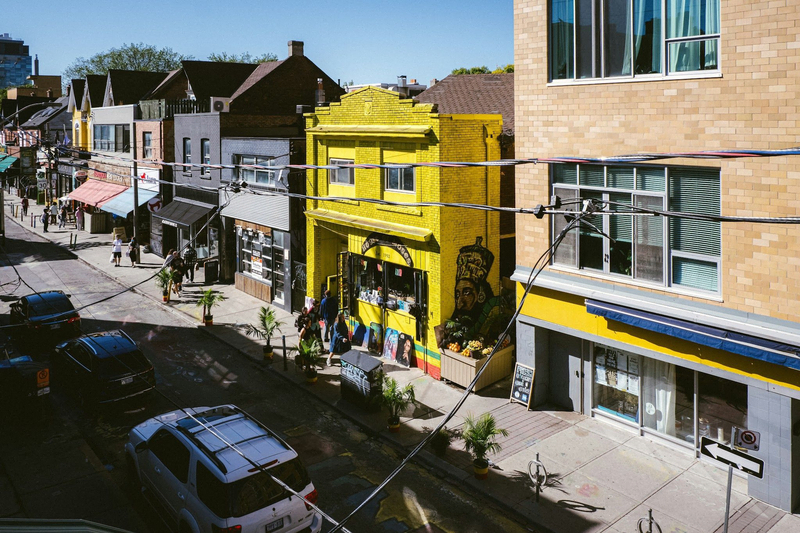
Kensington Market represents Toronto’s layered cultural identity more clearly than almost any other neighborhood. Independent shops, food stalls, vintage stores, and street art coexist in a compact area that feels intentionally unpolished. The market has long been shaped by successive waves of immigration, and it remains a social space rather than a curated attraction. Weekends are the liveliest time to visit, when street activity peaks and pedestrian-only periods often apply, while weekdays offer a quieter, more local atmosphere. Walking through Kensington provides a grounded sense of Toronto’s diversity and informal street culture.

Toronto’s waterfront has undergone steady redevelopment, transforming former industrial zones into walkable public space. The Martin Goodman Trail, which runs along Lake Ontario, connects key areas such as Harbourfront Centre and Sugar Beach, serving as a primary route for walking and cycling. Harbourfront offers cultural venues and seasonal programming ranging from outdoor concerts to art installations, and the area is heavily used by locals for walks and casual gatherings. These changes along the waterfront highlight how Toronto has moved toward more open and accessible urban planning over the past decades.
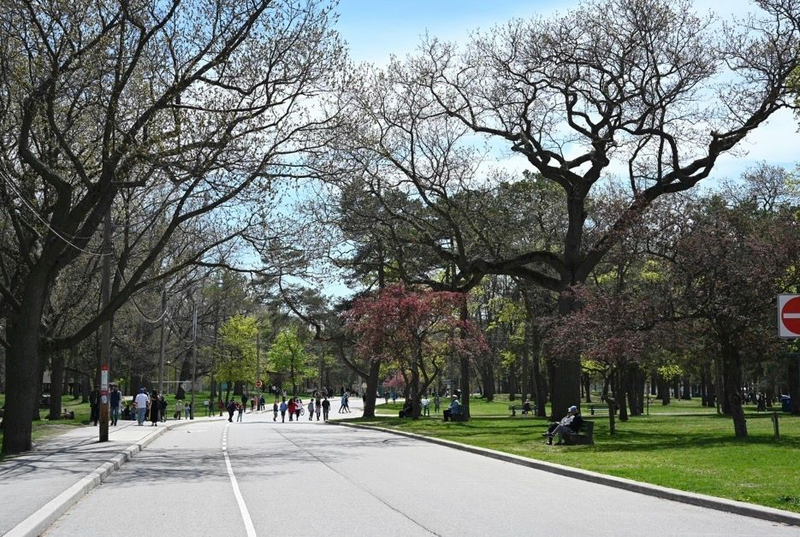
High Park is Toronto’s largest public park and one of its most actively used green spaces. It includes walking trails, open lawns, sports facilities, and natural areas that feel distinctly separate from the surrounding city. Locals treat it as a year-round resource – for exercise, seasonal events, or quiet breaks. It’s a good example of how Toronto balances dense urban life with accessible green space.
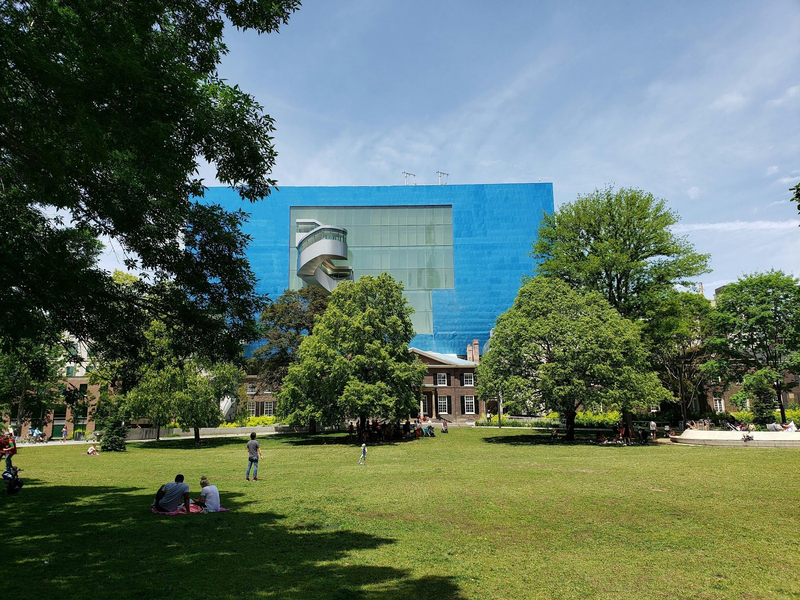
The AGO is one of North America’s largest art museums and plays a central role in Toronto’s cultural landscape. Its collection spans Indigenous art, Canadian works, and international exhibitions, offering context rather than spectacle. The building itself, redesigned by Frank Gehry, blends modern architecture with historic structure. The AGO appeals equally to tourists and residents, functioning as a cultural anchor rather than a one-time stop. Admission is ticketed, with weekends and weekday afternoons typically the busiest; visiting earlier in the day or on weekday mornings generally offers a quieter experience.
Some of Toronto’s most engaging experiences come from moving through neighborhoods rather than visiting singular landmarks. Areas like Queen West and Ossington combine independent retail, cafés, galleries, and nightlife in walkable strips. These neighborhoods show how local businesses, creative industries, and residential life intersect. Exploring these areas helps visitors understand the city beyond its major attractions.
Taken together, the sights above trace a consistent pattern: Toronto rewards visitors who move between scales, from the downtown skyline and island views to institutional spaces like the AGO and the texture of walkable neighborhoods. This mix of landmarks and lived-in areas shapes the way the city is experienced, and it sets the stage for understanding Toronto’s food scene, which follows a similar logic of diversity and accessibility.
Do you have IT recruitment needs?
Toronto’s food scene is defined less by a single national cuisine and more by scale and diversity. Immigration has shaped what people eat daily, turning entire neighborhoods into culinary ecosystems rather than isolated dining destinations. Food here is practical, social, and often informal, built around accessibility rather than exclusivity. To understand Toronto, it’s worth focusing on dishes and food cultures that are deeply embedded in everyday life, not just special-occasion dining.
Often referred to as Toronto’s signature dish, the peameal bacon sandwich is simple and unapologetic. Thick-cut, cornmeal-crusted pork loin is served on a soft bun, usually without elaborate toppings. It’s most famously associated with St. Lawrence Market, but versions appear across the city. The sandwich reflects Toronto’s approach to food: straightforward, filling, and rooted in local tradition rather than presentation.
Toronto’s street food culture mirrors its immigration patterns. Shawarma is especially associated with Scarborough and North York, where Middle Eastern communities shaped dense clusters of casual eateries. Taco spots are concentrated in Kensington Market and along College Street, reflecting both Latin American roots and newer fusion concepts. Jerk chicken takeaways are strongly linked to neighborhoods such as Eglinton West (Little Jamaica) and Scarborough, where Caribbean food is part of daily life. Banh mi bakeries are most commonly found in East Chinatown along Gerrard Street East and parts of North York, tied to long-established Vietnamese communities. These foods are affordable and neighborhood-based. Eating this way offers a realistic view of how locals navigate the city, grabbing meals between work and social plans.
Toronto’s Chinese food scene extends far beyond a single district. From Cantonese seafood restaurants to Sichuan kitchens and modern regional concepts, Chinese cuisine is woven into multiple neighborhoods. Many establishments cater primarily to local communities rather than tourists, which keeps menus authentic and varied. Exploring these spaces highlights Toronto’s suburban-to-urban food geography and its role as a North American center for regional Chinese cooking.
St. Lawrence Market functions as both a food landmark and a working grocery hub. Vendors sell fresh produce meat, baked goods and prepared meals alongside specialty ingredients. Locals shop here as part of their routine, not just for special occasions. The market captures Toronto’s relationship with food as something seasonal and community-oriented rather than trend-driven.
Caribbean food plays a central role in Toronto’s culinary identity, particularly due to strong Jamaican, Trinidadian, and Barbadian communities. Jerk chicken, roti, doubles, and patties are widely available and deeply integrated into daily food culture. These dishes reflect how Toronto’s food scene developed through migration, with flavors traveling and adapting without losing their core identity.
Toronto offers one of the most diverse South Asian food landscapes in North America. Restaurants range from casual dosa counters to Punjabi, Gujarati, and Pakistani kitchens serving regional dishes. Many operate outside the downtown core, reinforcing the idea that Toronto’s food culture extends well beyond tourist zones. For visitors, this provides access to deeply regional cooking that feels normalized rather than curated.
Toronto’s café scene supports work, meetings, and informal socializing rather than lingering spectacle. Independent cafés are spread across neighborhoods and often double as workspaces. This reflects how the city’s professional and social lives overlap, especially for remote workers and freelancers. Coffee culture here is functional, designed to support routine, not escape it.
Toronto is a city that eats late, especially in neighborhoods shaped by nightlife or shift-based work. Streets like Queen Street West, Dundas Street West, and Yonge Street host a concentration of late-night options, from diners to noodle shops and takeout counters. Longstanding spots such as Fran’s Restaurant (open 24 hours at multiple locations), 7 West Café in Yorkville, and Swatow Restaurant in Chinatown are staples for after-midnight meals. Late-night shawarma and pizza counters are also common along Bloor Street West and College Street, serving both night workers and post-event crowds. This accessibility reinforces Toronto’s reputation as a city that accommodates varied schedules, lifestyles, and work patterns.
Going out in Toronto means moving between districts rather than heading to one defined nightlife zone. Different areas carry their own mix of live music venues, late-night food, and regular events, and the calendar stays active year-round. Fun here is flexible: a concert on a Tuesday, a late dinner after work, a waterfront walk followed by drinks, or an entire evening spent moving between a few blocks. The city’s scale allows for variety without chaos, and most social spaces feel integrated into everyday life rather than separate from it.
The Entertainment District and nearby King West form one of Toronto’s most active evening zones. The area combines theaters, live music venues, clubs, and bars within a compact stretch of downtown. It attracts a mixed crowd – professionals after work, visitors attending shows, and locals meeting for late dinners. While busier on weekends, it’s also functional midweek, making it a consistent option rather than a once-in-a-while destination.
Toronto has a strong live music culture supported by venues of all sizes. From large-scale shows at Scotiabank Arena to mid-sized concerts at history-rich venues like Massey Hall, music is woven into the city’s routine. Smaller clubs across neighborhoods host emerging artists and genre-specific nights. This layered ecosystem makes it easy to find live performances without planning far in advance.
Ossington Avenue and Queen West offer a more neighborhood-driven nightlife experience. Bars, cocktail lounges, and casual spots sit close together, allowing for unstructured evenings that evolve naturally. The atmosphere tends to be social rather than performative, appealing to locals who prefer conversation over spectacle. These areas reflect Toronto’s preference for density without excess.
Toronto has one of the most active comedy scenes in North America, supported by improv theaters, stand-up clubs, and touring acts. Venues like Second City and smaller comedy spaces draw both local performers and international names. Theater is equally present, ranging from large productions to independent performances. These formats offer structured evening entertainment without relying on nightlife culture.
Throughout the year, Toronto hosts film, music, food, and cultural festivals that temporarily reshape the city’s rhythm. Major events such as the Toronto International Film Festival (TIFF), held each September, spill into public spaces, close streets, and extend operating hours across downtown neighborhoods. These periods offer concentrated social energy and attract both locals and visitors, reinforcing Toronto’s identity as an event-driven city without permanent disruption.
During warmer months, the waterfront becomes a social space rather than just a backdrop. Bars, patios, and open-air events draw people toward the lake in the evenings. Walking paths fill with cyclists and groups meeting casually before or after plans. The waterfront offers a slower alternative to indoor nightlife, balancing the city’s pace.
Toronto’s sports teams play a major role in social life. Game nights, whether attended in person or watched in bars, create shared experiences across the city. Basketball, hockey, and baseball seasons shape weekly routines and provide easy social anchors, especially for newcomers looking to connect through familiar formats.
Toronto is a city built around neighborhoods and routines, where culture, food, and public space support both short visits and long-term living.
Toronto is large, efficient, and straightforward once you understand how it moves. Its scale, climate, and infrastructure shape daily routines more than sightseeing logistics. Knowing a few local specifics before arrival, and how to navigate your first days, makes settling in noticeably easier.
Downtown Toronto is dense, but the city’s life is spread across neighborhoods that function almost like small towns. Many key areas – dining, nightlife, cultural spaces – sit outside the core. Planning days by neighborhood rather than individual attractions saves time and reduces transit fatigue.
Toronto’s TTC system (subway, streetcars, buses) covers most areas visitors need. However, rush hours can be crowded, and late-night service is slower. A contactless credit card or mobile wallet works directly at turnstiles, removing the need for paper tickets. For short distances downtown, walking is often faster than transit.
Lake Ontario significantly affects local weather. Sudden temperature drops, strong winds, and quick rain showers are common, even in warmer months. Layered clothing works better than seasonal assumptions. In winter, cold feels sharper due to wind chill, making proper outerwear essential rather than optional.
Toronto appears compact on a map, but travel times add up. Neighborhoods that seem close may take 30-40 minutes to reach by transit. When scheduling plans, allow buffer time, especially if combining downtown with areas like North York, Scarborough, or Etobicoke.
Unlike some European destinations, tipping is standard in Toronto. Restaurants, bars, taxis, and personal services generally expect 15-20%. Prices on menus do not include tax, which is added at checkout. This can surprise first-time visitors, so budgeting accordingly helps avoid friction.
Popular restaurants and bars often require reservations, especially on weekends. Walk-ins are possible, but planning ahead saves waiting time. Many kitchens close earlier than expected, while bars stay open later, splitting dinner and nightlife into separate venues is common.
English is the primary working language, but Toronto is one of the world’s most multicultural cities. Signs, menus, and neighborhoods reflect this diversity, and cultural norms are generally flexible and inclusive. Visitors rarely face communication barriers, even in less central areas.
These practical notes illustrate how Toronto balances size with accessibility, which is exactly what makes the city work as a long-term destination rather than only a short visit. That same balance explains why Toronto features so prominently in relocation decisions among IT specialists, and the next part of the article looks at the city from that professional angle.
For many IT specialists, Toronto represents a blend of opportunity, diversity, and quality of life that few North American cities match. The city is the largest tech employment hub in Canada, home to one of the fastest-growing talent markets on the continent. Over the past five years, the city added nearly 96000 tech jobs, a 44% increase, outpacing many peer markets and reinforcing Toronto’s position as a major North American tech center. Toronto’s market attracts both established companies and high-growth startups, creating a layered ecosystem where roles range from established corporate teams to emerging innovation labs.
Toronto’s tech ecosystem is distributed across several clusters rather than being concentrated in a single district. The downtown core hosts global enterprise offices, financial technology firms, and Canadian subsidiaries of US-based companies, while areas such as MaRS Discovery District anchor research-driven and early-stage ventures. Outside the core, neighborhoods including Liberty Village and King West have become dense with product-led startups, and regional hubs in Mississauga and Markham support enterprise engineering teams. This distribution gives IT specialists flexibility in choosing between commute patterns and company cultures within the same metropolitan market.
Part of this growth reflects Canada’s broader strategy to attract and retain global tech talent. In 2023, over 32000 technology workers relocated to Canada, drawn by relatively transparent immigration pathways and strong demand for digital skills across industries. This mobility is supported by federal skilled worker programs and the Tech Talent Strategy introduced in 2023, which includes streams such as the Global Talent Stream for faster work permits and a category-based Express Entry draw specifically for STEM occupations. These frameworks move relocation from abstract opportunity into operational reality, and many specialists arrive on open work permits that later convert into permanent residency.
Technology compensation in Toronto sits between US tier-one markets and smaller Canadian cities. Salaries are generally lower than in San Francisco or New York but remain competitive once taxation, healthcare access, and housing profile are weighed against peer North American markets. Housing costs in central neighborhoods are high, yet the surrounding areas connected by GO Transit and the TTC offer more accessible options without cutting off access to downtown offices. For mid and senior-level specialists, the overall financial profile often supports a higher standard of living than equivalent earnings would deliver in the largest US cities.
Beyond career opportunities, Toronto’s urban environment supports a sustainable work-life rhythm. The city’s multicultural character, reflected in daily routines and social life, helps newcomers feel integrated more quickly. Neighborhoods function as self-sufficient micro-centers, blending work, social spaces, and services within walkable areas, which professionals find particularly valuable after the initial transition. Combined with accessible public transit and strong community networks, this fosters a sense of belonging that extends beyond professional life.
Ultimately, Toronto appeals to specialists seeking not just jobs, but a comprehensive foundation for long-term living and work. It remains a city of scale without losing navigability, and its sustained demand for tech talent continues to make it one of North America’s most compelling relocation destinations for IT professionals.
For IT specialists, Toronto stands out not just for the size of its tech market, but for how easily professional growth integrates into everyday urban life.

Website: www.devsdata.com
Team size: ~60 employees
Founded in: 2016
Headquarters: Brooklyn, NY, and Warsaw, Poland
For IT specialists exploring career opportunities in Toronto, the challenge is rarely a lack of open roles; it’s understanding which positions genuinely fit long-term goals, relocation plans, and working style. DevsData LLC specializes in IT and technology recruitment, supporting engineers and digital professionals navigating international job markets. With over ten years of experience, the company works with both global corporate clients and high-growth startups across multiple regions, including the United States and Israel, and brings this international perspective directly into the Canadian hiring context. The team also includes US-based specialists, helping align expectations between North American employers and globally mobile candidates.
DevsData LLC has completed 100+ recruitment projects for more than 80 clients and maintains a database of 95000 candidates. Each candidate is assessed through a rigorous interview process, including a 90-minute problem-solving challenge designed to evaluate real-world thinking, not just theoretical knowledge. Strong communication skills are a core requirement, reflecting the needs of distributed and multicultural teams common in Canada’s tech sector. This approach helps ensure candidates are prepared not only for technical tasks, but also for collaboration in international work environments.
The company operates on a success-fee model, meaning candidates and employers move forward only when there is a successful match, and a guarantee period further reduces hiring risk. DevsData LLC holds an official, government-approved license for recruitment services, ensuring transparency and compliance. Its work is reflected in a 5/5 rating on Clutch and GoodFirms, based on verified client feedback. For IT specialists considering relocation to Toronto, this structure provides clarity, credibility, and a more confident path into the Canadian tech market.

Do you have IT recruitment needs?
Considering Toronto for your next career move? Explore IT roles in Canada with recruiters who understand international relocation and the realities of working in Toronto’s tech market. Contact DevsData LLC at general@devsdata.com or visit their website at www.devsdata.com.
Toronto reveals itself gradually. What begins as a city of landmarks and neighborhoods turns into a place defined by scale and access to culture, food, work, and people. Its attractions are not isolated highlights but parts of a larger urban system that supports both movement and stability. From waterfront walks and neighborhood streets to a food culture shaped by global migration, Toronto offers variety without fragmentation. For visitors, this creates a sense of depth; for residents, it translates into a city that functions consistently day after day.
That same balance carries into professional life. Toronto’s appeal for IT specialists lies not only in the size of its tech ecosystem, but in how work integrates into everyday living. Career opportunities exist across corporate environments and innovation-driven teams, while the city’s infrastructure supports long-term routines rather than short-term intensity. Neighborhood-based living, reliable transit, and a multicultural social fabric lower the friction often associated with relocation. As a result, Toronto increasingly attracts professionals who are not just passing through, but actively choosing where to build the next stage of their careers.
DevsData LLC supports this transition by helping IT specialists navigate Toronto’s tech market with clarity and structure. With a long-standing focus on technology recruitment, international experience across multiple markets, and a rigorous, communication-focused screening process, the company connects candidates with roles that align with both technical expertise and long-term expectations. Its transparent success-fee model, government-approved recruitment license, and consistently high client ratings reinforce trust throughout the hiring process. For professionals considering Toronto as more than a destination, but as a place to live and work, having the right recruitment partner helps turn interest into informed decisions and sustainable career outcomes.
Any questions or comments? Let me know on
Twitter/X.
Discover how IT recruitment and staffing can address your talent needs. Explore trending regions
like Poland, Portugal, Mexico, Brazil and more.
 Frequently asked questions (FAQ)
DevsData – your premium technology partner
DevsData is a boutique tech recruitment and software agency. Develop your software project with veteran engineers or scale up an in-house tech team of developers with relevant industry experience.
Free consultation with a software expert
🎧 Schedule a meeting
FEATURED IN


DevsData LLC is truly exceptional – their backend developers are some of the best I’ve ever worked with.”

Nicholas Johnson
Mentor at YC, serial entrepreneur


 Build your project with our veteran developers.
Explore the benefits of technology recruitment and tailor-made software.
Learn how to source skilled and experienced software developers.
Build your project with our veteran developers.
Explore the benefits of technology recruitment and tailor-made software.
Learn how to source skilled and experienced software developers.

Rebecca Botvin

Commercial Director

Tom Potanski
Manager




Categories: Big data, data analytics | Software and technology | IT recruitment blog | IT in Poland | Content hub (blog)
















careers@devsdata.com









general@devsdata.com

"I interviewed about a dozen different firms. DevsData LLC is truly exceptional – their backend developers are some of the best I've ever worked with. I've worked with a lot of very well-qualified developers, locally in San Francisco, and remotely, so that is not a compliment I offer lightly. I appreciate their depth of knowledge and their ability to get things done quickly."

Nicholas Johnson
CEO of Orange Charger LLC,
Ex-Tesla Engineer,
Mentor at YCombinator
"DevsData reached out to us, as we've been looking to grow our engineering team in Europe and Poland. Communicating efficiently and professionally, DevsData made a strong impression with their understanding of the recruitment challenges we were facing. They designed a tailored recruitment process for our needs. I was impressed with the technical depth of their approach."

Karim Butt
Co-Founder & CTO at GlossGenius, Inc.
"Out of all the vendors we work with, DevsData clearly stands out. The quality of developers they deliver is beyond what we've received from any other vendor, and they've been able to send profile recommendations very quickly. I'm happy to be their reference for other companies from Israel and talk about their recruitment abilities and what they delivered for us."

Ran Eyal
Senior Manager at
ZIM Integrated
Shipping Services Ltd.
"DevsData demonstrated a strong degree of proactivity, taking time to thoroughly understand the problem and business perspective, and continuously suggesting performance and usability enhancements. Their app exceeded my expectations. I've worked with DevsData on numerous projects over the last 3 years and I'm very happy. Being both responsive and honest in communication."

Jonas Lee
Partner & Executive VP of Verus,
Financial LLC, Investor,
& Serial Entrepreneur
Acknowledgments