Thanks for subscribing.
Your gift is on the way.


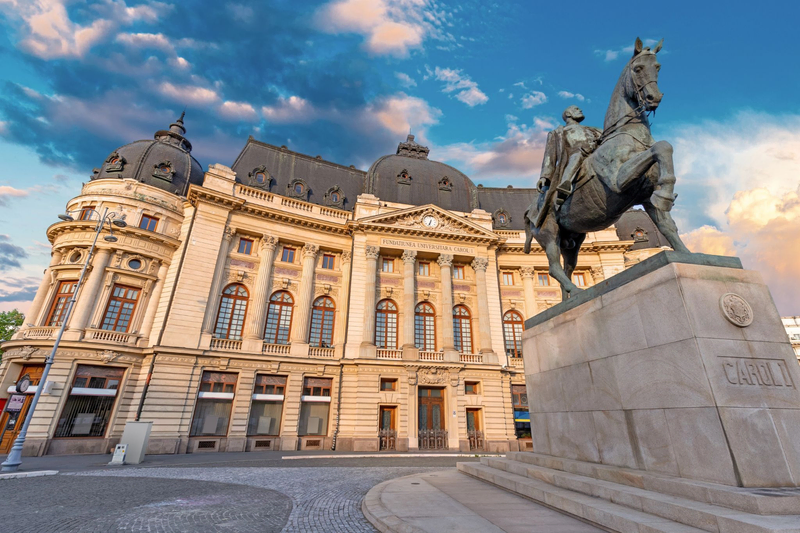
Bucharest is a dynamic capital where grand boulevards, historic architecture, leafy parks, and contemporary urban life sit side by side in curious and appealing contrast. Its character often catches visitors off guard, especially those used to Western European capitals where the architecture feels more consistent from one district to the next. That contrast is part of what keeps travellers returning for the mix of styles and the cultural pulse running through the city. Bucharest is also one of Romania’s busiest tourism hubs: the city recorded over 770000 tourist arrivals in the first five months of 2025 according to the National Institute of Statistics, reflecting both domestic and international interest in its museums, food scene, and city breaks.
Bucharest rewards anyone who gives it time. With its layered history and emerging tech scene, the city offers far more than first impressions suggest. This guide highlights the essential things to do in Bucharest and offers a clear, authentic introduction to the capital’s culture, architecture, and everyday rhythm.
Beyond its dense boulevards and historic districts, Bucharest has a surprisingly large amount of green space woven into the city. When you zoom in on a map, you realise just how green Bucharest actually is.
To the north, Herăstrău Park (officially King Michael I Park) wraps around a large lake and is perfect for walking, running, or renting a boat. On summer evenings, lakeside terraces and clubs come alive.
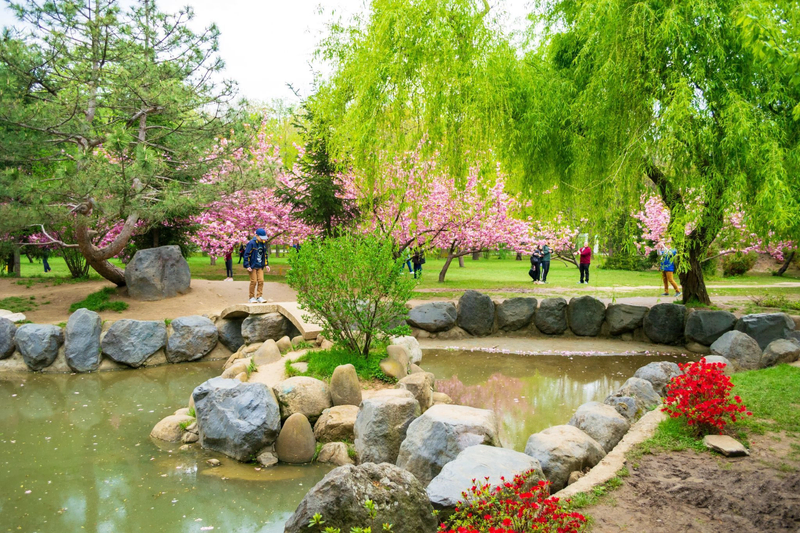
Inside the park, don’t miss the Dimitrie Gusti National Village Museum – an open-air collection of traditional houses, churches, windmills, and farm buildings from across Romania. It’s like a crash course in rural architecture and village life without leaving the city.
Closer to the centre, Cișmigiu Gardens is older, smaller, and more romantic – think willow trees, winding paths, pedal boats on the lake, and couples occupying every second bench. Grab an ice cream, find some shade, and enjoy a pause from the traffic.
Do you have IT recruitment needs?
The “new Berlin” label attached to Bucharest has grown out of an informal creative scene and a strong café culture, not out of a branded campaign to look that way. The city’s social life often revolves around small independent spaces, specialty coffee shops, and reused urban venues, which naturally leads into its brunch spots, cafés, and creative hangouts.
Bucharest has a well-developed specialty-coffee scene, with numerous third-wave cafés throughout the central districts. Skilled baristas and local roasters set a high standard, and several cafés have become staples for both residents and visitors.
Well-known options include:
Brunch is also widely available, with menus ranging from modern dishes like avocado toast and shakshuka to traditional Romanian baked goods such as pretzels and covrigi.
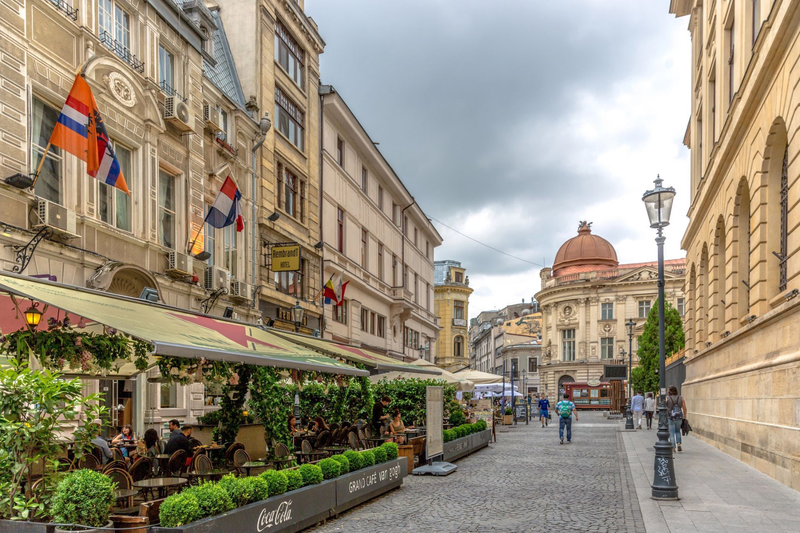
Bucharest’s social life rarely plays out on main squares or obvious streets. Instead, it unfolds behind gates, inside courtyards, and on rooftops you’d never notice unless someone tells you where to look.
Garden bars are a big part of this culture. Places like Gradina Eden or J’ai Bistrot feel closer to shared backyards than traditional venues. Trees sit overhead, fairy lights come on after dark, the tables are communal, and nobody pushes you to finish your drink and leave. Locals often come “just for one drink” after work and stay for hours, laptops and conversations appearing naturally as the evening unfolds.
Music and nightlife lean toward the alternative rather than the glossy. Control Club and its garden attract creatives, concert-goers, and people chasing DJ nights or live sets rather than bottle service. Nights here tend to be unplanned, a drink turns into a concert, which turns into a late walk home or a sunrise taxi.
Rooftops add another layer to evening life, especially in warmer months. Spots like Nomad Skybar overlook Old Town rooftops and church domes, offering sunset views and relaxed cocktails without the polished, high-end feel common in Western Europe. These places are social but casual, part of regular routines rather than “special occasion” venues.
Not everyone comes out for drinks, and Bucharest makes space for that. Independent cinemas such as Cinema Elvire Popesco attract audiences for European films, retrospectives, and post-screening discussions. Most non-Romanian films are shown in their original language with Romanian subtitles, while festivals and special screenings often include English subtitles, making them accessible to international visitors. Seasonal open-air screenings also transform courtyards into shared neighbourhood spaces, especially during summer months.
Cultural spaces like Apollo 111 blur boundaries between theatre, performance, and nightlife; one evening might involve a contemporary play, another a DJ set in the same space. It’s typical Bucharest: flexible, experimental, and unconcerned with strict labels.
Instead of luxury shopping streets, Bucharest favors concept stores, weekend markets, and spaces by Romanian designers. Areas around Calea Victoriei and quieter central streets host local brands selling ceramics, illustrations, clothes, plants, and design objects. Places like Mezanin Market turn shopping into a social activity rather than a mission; people browse, talk, grab coffee, and linger.
What ties all of this together is how informal and accessible fun feels. Nights aren’t tightly scheduled. Activities overlap. A film screening and drinks in a garden bar can all happen in the same evening, often within walking distance.
This everyday rhythm is what many visitors end up remembering most. Bucharest doesn’t try to impress loudly. It rewards curiosity, time, and a willingness to follow local habits rather than checklists.
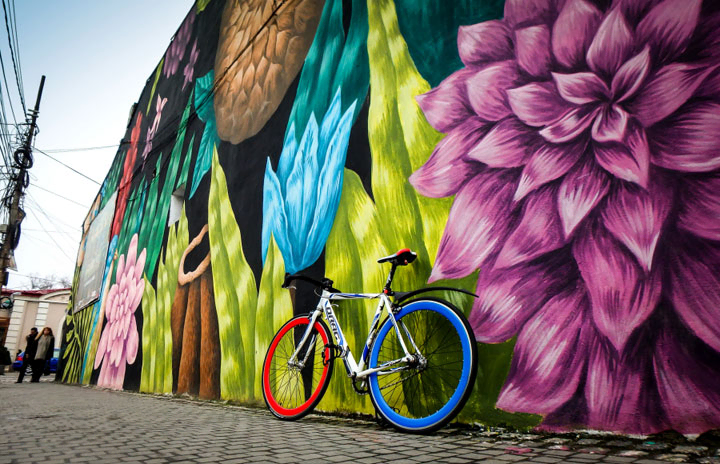
For a different side of the city, check out Strada Pictor Arthur Verona, Garajul Ciclop, and the quieter residential streets where giant murals cover entire building walls. Joining an alternative/graffiti walking tour is a good way to understand how street art is tied to post-communist freedom of expression.
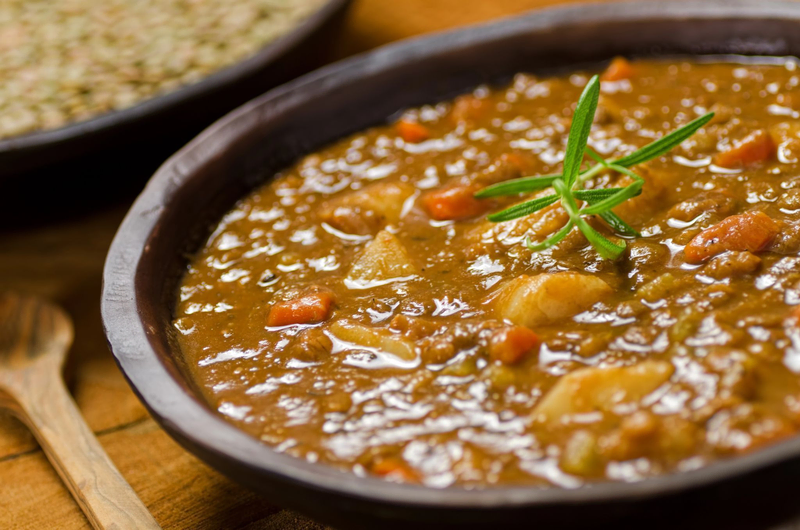
Romanian cuisine is hearty, carb-friendly, and perfect after a long day of walking.
Must-try classics, paired with places worth seeking out:
For a traditional setting, historic beer halls and inns in and around Old Town, such as Caru’ cu Bere or Hanul lui Manuc, offer classic Romanian cuisine in ornate, heritage interiors. For a lighter, more contemporary dining scene, it’s worth heading beyond the city centre to neighbourhood restaurants in areas such as Cotroceni. Places like Verv Kitchen or Mixtto reflect where many locals choose to eat on a regular basis.
Don’t skip the markets either: Obor Market is Bucharest’s largest and most well-known food market, offering fresh produce, pickles, cheeses, and street food stalls serving mici straight off the grill. The market is typically open from 07:00 to 19:00 on weekdays, 07:00 to 18:00 on Saturdays, and 07:00 to 16:00 on Sundays. For street food, especially grilled mici, the best time to visit is late morning to early afternoon (around 11:00-14:00), when most vendors are active and grills are fully running.
Do you have IT recruitment needs?
Calea Victoriei is one of Bucharest’s defining streets, stretching through the center and lined with historic buildings, museums, churches, and cafés. It’s a natural starting point for understanding the city’s architectural mix.
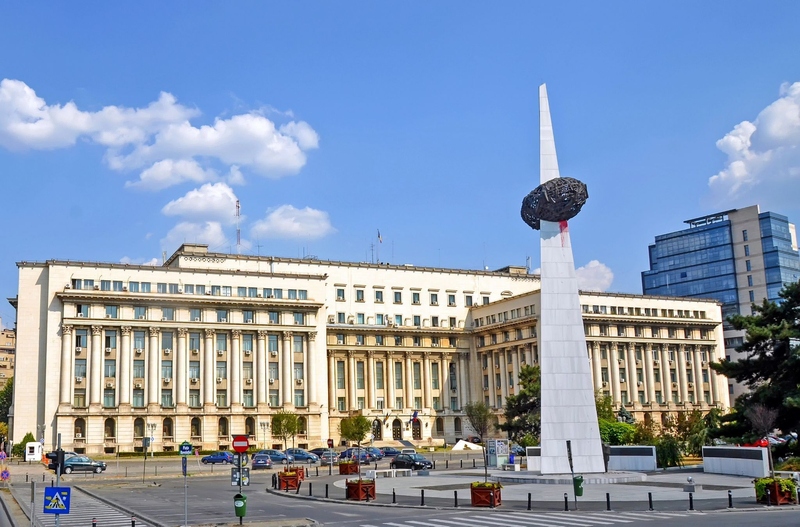
Key stops along the way include:
The boulevard is where Bucharest’s old nickname, “Paris of the East,” feels most grounded in reality.
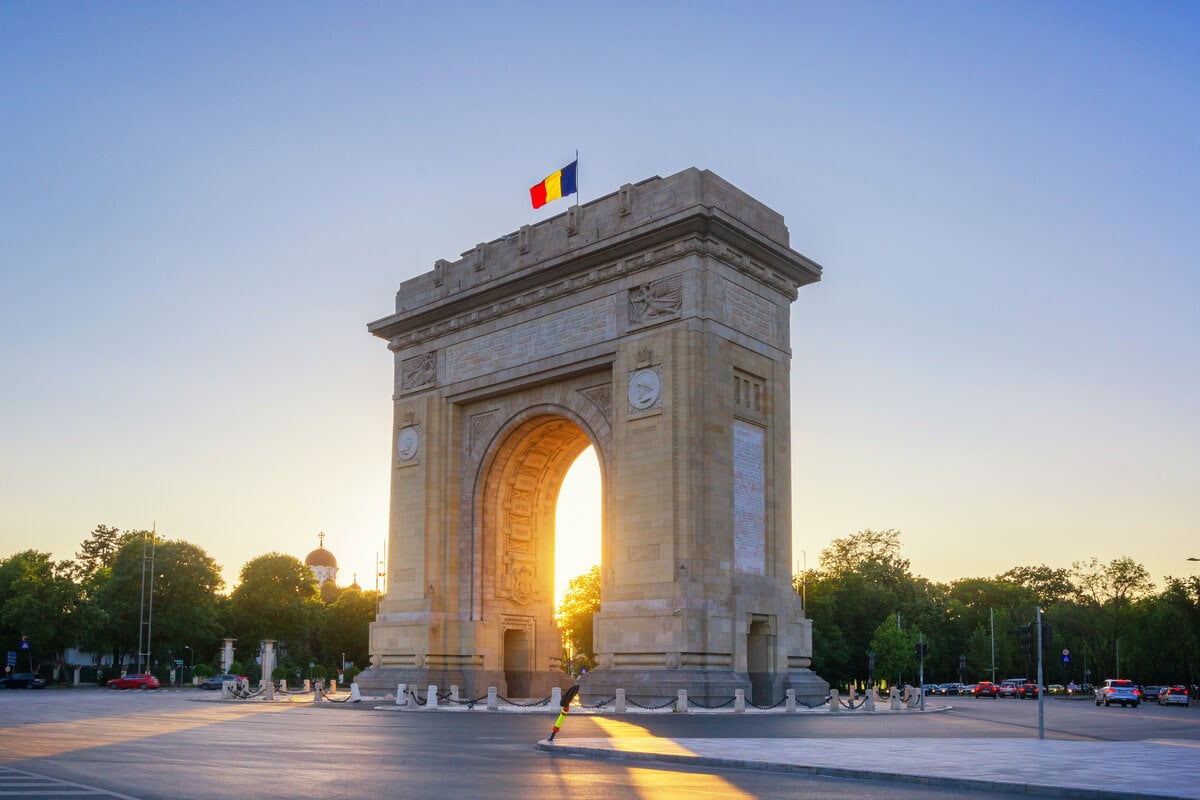
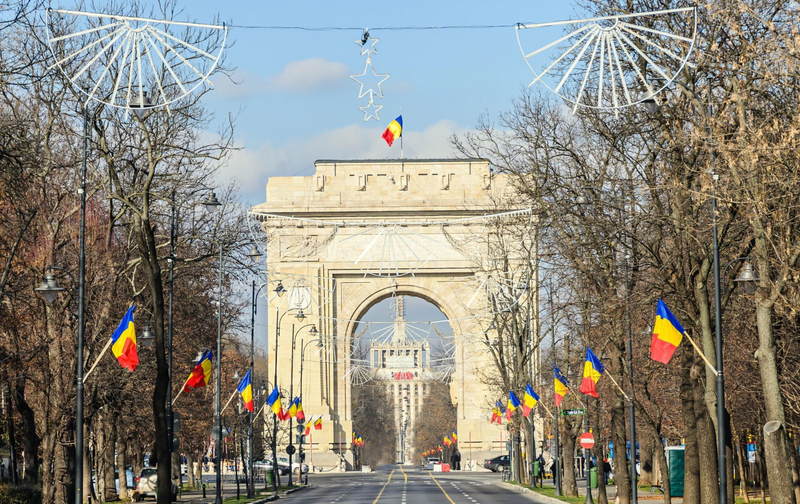
At the northern end of the city stands the Triumphal Arch (Arcul de Triumf), built to mark Romania’s independence and victory in World War I. Its design echoes the Arc de Triomphe but at a more approachable scale. On certain weekends, visitors can climb to the top for panoramic views – an easy pairing with a walk through nearby Herăstrău (King Michael I) Park.
A short walk away, the Romanian Athenaeum remains one of the city’s most elegant structures. The neoclassical concert hall, known for its domed roof and detailed façade, hosts the George Enescu Philharmonic and other major cultural events.
If time allows, attending a concert inside is the best way to experience the building, since the interior frescoes and acoustics are difficult to appreciate from the square alone. Performance schedules and tickets are available on the official box office page at fge.org.ro.
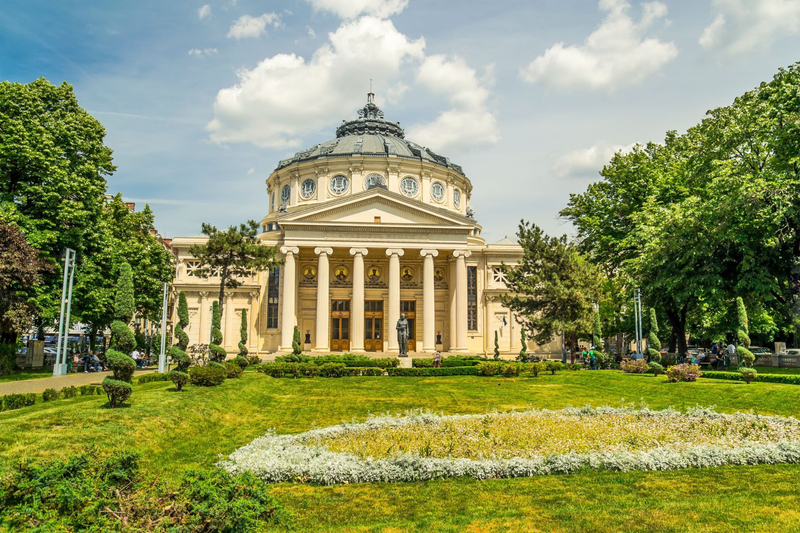
Even without attending a performance, the small square in front is worth a quiet stop. The building is especially striking when illuminated in the evening.
“A single style or era doesn’t define Bucharest. It’s a city built from layers of history, living side by side.”
The Palace of Parliament is one of Bucharest’s most defining landmarks. It is the second-largest administrative building in the world and the heaviest building ever constructed. Commissioned by Nicolae Ceaușescu as a symbol of state power, the project involved extensive use of marble, monumental interiors, and vast ceremonial spaces. Its construction placed a significant economic burden on the country and remains one of the most debated architectural legacies of the communist era.
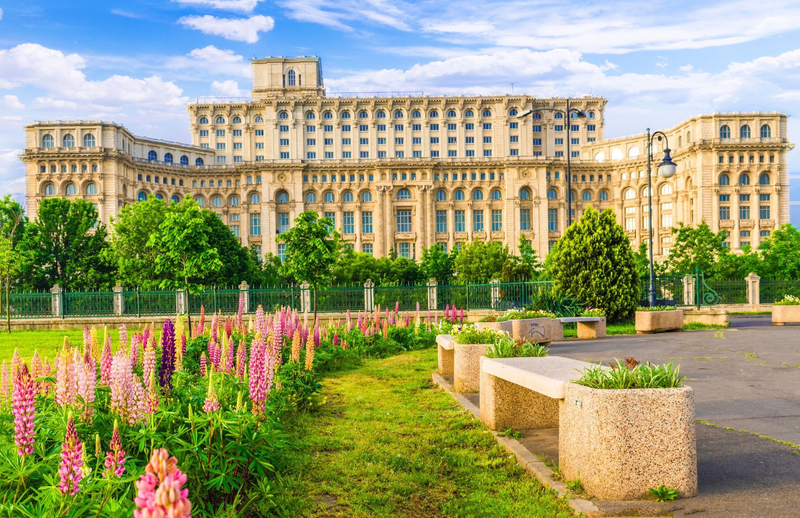
Pro tip: you need your passport to enter, and it’s worth pre-booking tickets, especially in high season.
Walk down Bulevardul Unirii from the Palace, and you’ll hit Unirii Square. on summer weekend, the fountains here put on an evening show: music, lights, and water choreography that stretches almost a kilometre towards the parliament building. It’s kitsch and kind of magical at the same time.
To really understand Bucharest, it’s worth doing a communist history walking tour or guided visit. You’ll hear stories about everyday life under Ceaușescu, see the blocks built during the “systematisation” period, and put the city’s architecture into context.
If you’re in town to meet your dev team, this background makes conversations about “pre- and post-’89” much more meaningful, since Romanians reference that turning point often.
Bucharest’s Old Town (Lipscani) is where you’ll find cobbled lanes, packed bars, and café terraces. Yes, it’s touristy and loud at night, but it’s still worth exploring – ideally during the day when the details are easier to spot.
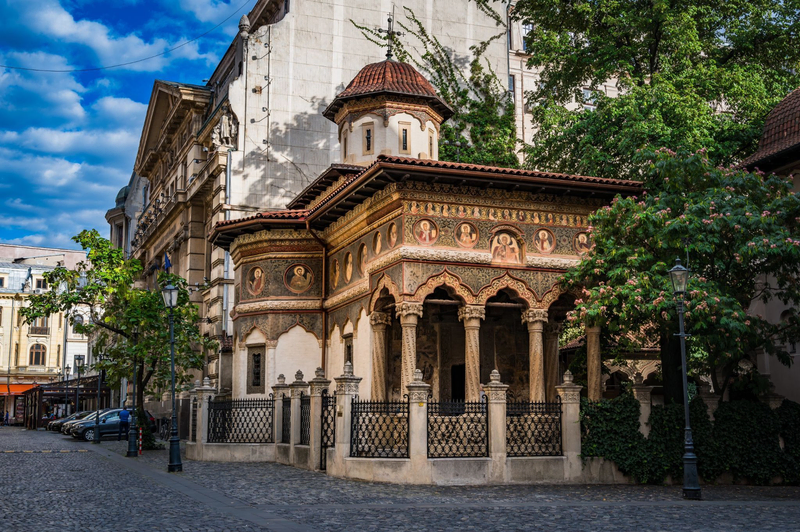
Right in the middle of the chaos sits the Church of the Stavropoleos Monastery – a tiny Orthodox church with stone carvings, richly painted interiors, and a small courtyard that feels like a secret garden. It’s an easy, beautiful stop between coffees.
At the edge of Old Town, you’ll find Curtea Veche (the Old Princely Court), once home to Wallachian rulers, including Vlad the Impaler. The ruins are modest, but the adjacent Saint Anthony Church is one of the oldest in the city and is worth a quick look.
A short walk from Calea Victoriei, Macca-Vilacrosse Passage is a covered yellow-glass arcade packed with cafés and shisha lounges. It’s one of those places where waiters seem to teleport to your side the moment you step in, every table is “the best coffee in Bucharest,” apparently, but it’s a fun spot to sit, sip something, and people-watch.
Romanians love bookshops, and the star of the show is Cărturești Carusel, a light, white, multi-level book temple in a restored 19th-century building. Spiral staircases, balconies, a café on the top floor – it’s photogenic and a good place to pick up design books, travel guides, or local literature.
If you have time, venture to Cărturești Verona or Anthony Frost for more indie-bookstore energy away from the crowds.
If you have an extra day or two, Bucharest makes a great base for exploring some of Romania’s biggest hits:
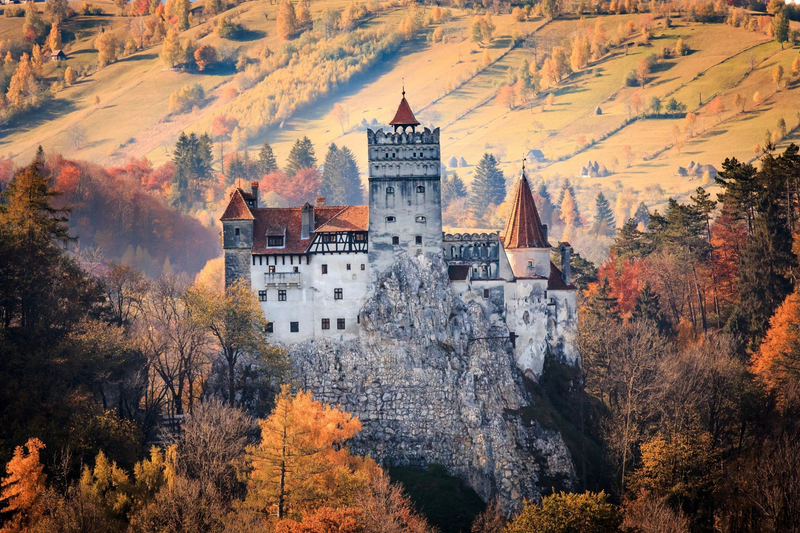
If you’re short on time, organised day trips that combine a castle or two with a stop in Brașov are the easiest option.
Currency
Romania uses the leu (RON), not the euro. Everyday costs – food, transport, coffee, even museum tickets – are noticeably cheaper than in Western Europe.
Getting around
Bucharest’s metro, buses, and trams are cheap and reliable. Public transport uses STB (surface transport) and Metrorex (metro). You can pay using the 24Pay app or reloadable Activ / Multiplu transport cards. A single trip typically costs around 3-5 RON (well under €1), while day passes are also available and affordable. Rideshare apps like Uber and Bolt are widely used and inexpensive, often the easiest option if you don’t speak Romanian or are travelling late at night.
Where to stay
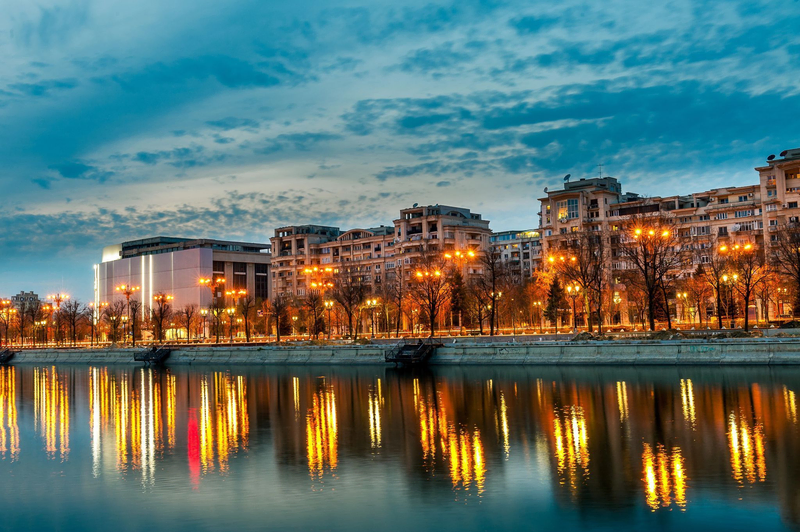
For first-timers, staying near Old Town or along Calea Victoriei keeps you close to most sights. Old Town puts you within the walking distance of restaurants, bars, and the main historic lanes, while Calea Victoriei places you next to the major museums and the Athenaeum without the late-night noise. Travellers who prefer a quieter base tend to book in Cotroceni, a leafy residential district around the presidential palace, or in Dorobanți, which has tree-lined streets, independent cafés, and quick access to Herăstrău Park by tram.
Safety
Central Bucharest generally feels safe, including at night. Normal big-city common sense applies: watch your belongings on crowded public transport, keep an eye on phones and bags in busy Old Town bars, and avoid getting into unmarked taxis at the airport or train station. Licensed taxi apps like Bolt and Uber remove most of the uncertainty around fares.
Language
Younger people usually speak good English, especially in hospitality and the tech sector, but a few Romanian words go a long way:
Beyond its cultural landmarks and lively neighborhoods, Bucharest has become one of the most active technology hubs in Central and Eastern Europe. Strong STEM universities, a steady stream of skilled engineers, and competitive salary levels have helped the city attract both global companies and fast-growing startups. Many Romanian developers already work with international teams, making English-speaking, distributed collaboration the norm rather than the exception.
Romania’s rapid rise as a hub for top tech talent is a testament to its strong educational foundation and a highly skilled, adaptable workforce.
This combination of technical depth and cost efficiency is why Bucharest, and Romania more broadly, continues to appear on nearshore and remote-team expansion maps. It’s a city where sightseeing and business trips often overlap naturally.
At DevsData LLC, we’ve been recruiting senior developers, DevOps engineers, QA specialists, and tech leads across CEE since 2016. Bucharest is one of the regions where we regularly source talent, and many clients choose it when building or scaling their engineering teams.
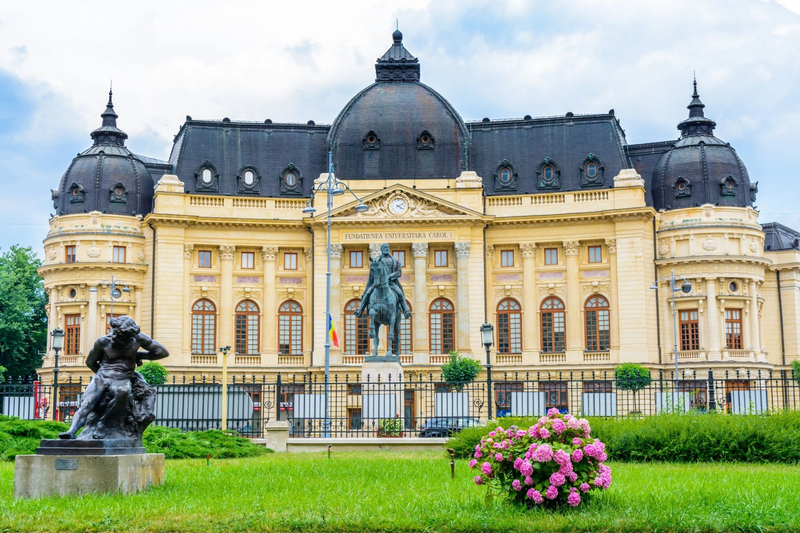
Many visitors come to Bucharest for reasons beyond tourism: product launches, conferences, onboarding sessions, or in-person meetings with remote teams. For technical partnerships, the city offers a straightforward environment. The local engineering workforce is experienced in collaborating across time zones, English proficiency is strong in the tech sector, and overall operating costs remain significantly lower than in Western European or US hubs.
If your time in Bucharest includes exploring hiring opportunities or meeting your existing team, DevsData LLC can support that process. We help companies recruit senior engineers, establish local hubs, and expand their presence across Romania and the wider CEE region, all while you get to experience the city’s architecture, food, and culture firsthand.
Do you have IT recruitment needs?
Bucharest is a city of contrasts: historical and modern, refined in places and unpolished in others, with each neighborhood revealing a different aspect of its character. The grand avenues, quiet parks, independent bookshops, and evolving creative scene all contribute to a city that continues to redefine itself.
A visit here often leaves a lasting impression, whether through the people you meet, the architecture you explore, or the broader understanding you gain of Romania’s cultural and technological landscape. And if your time in Bucharest also leads to new professional connections or future collaboration with local talent, it becomes an even more meaningful trip.
Discover how IT recruitment and staffing can address your talent needs. Explore trending regions
like Poland, Portugal, Mexico, Brazil and more.
 Frequently asked questions (FAQ)
DevsData – your premium technology partner
DevsData is a boutique tech recruitment and software agency. Develop your software project with veteran engineers or scale up an in-house tech team of developers with relevant industry experience.
Free consultation with a software expert
🎧 Schedule a meeting
FEATURED IN


DevsData LLC is truly exceptional – their backend developers are some of the best I’ve ever worked with.”

Nicholas Johnson
Mentor at YC, serial entrepreneur


 Build your project with our veteran developers.
Explore the benefits of technology recruitment and tailor-made software.
Learn how to source skilled and experienced software developers.
Build your project with our veteran developers.
Explore the benefits of technology recruitment and tailor-made software.
Learn how to source skilled and experienced software developers.

Rebecca Botvin

Commercial Director

Tom Potanski
Manager




Categories: Big data, data analytics | Software and technology | IT recruitment blog | IT in Poland | Content hub (blog)
















careers@devsdata.com









general@devsdata.com

"I interviewed about a dozen different firms. DevsData LLC is truly exceptional – their backend developers are some of the best I've ever worked with. I've worked with a lot of very well-qualified developers, locally in San Francisco, and remotely, so that is not a compliment I offer lightly. I appreciate their depth of knowledge and their ability to get things done quickly."

Nicholas Johnson
CEO of Orange Charger LLC,
Ex-Tesla Engineer,
Mentor at YCombinator
"DevsData reached out to us, as we've been looking to grow our engineering team in Europe and Poland. Communicating efficiently and professionally, DevsData made a strong impression with their understanding of the recruitment challenges we were facing. They designed a tailored recruitment process for our needs. I was impressed with the technical depth of their approach."

Karim Butt
Co-Founder & CTO at GlossGenius, Inc.
"Out of all the vendors we work with, DevsData clearly stands out. The quality of developers they deliver is beyond what we've received from any other vendor, and they've been able to send profile recommendations very quickly. I'm happy to be their reference for other companies from Israel and talk about their recruitment abilities and what they delivered for us."

Ran Eyal
Senior Manager at
ZIM Integrated
Shipping Services Ltd.
"DevsData demonstrated a strong degree of proactivity, taking time to thoroughly understand the problem and business perspective, and continuously suggesting performance and usability enhancements. Their app exceeded my expectations. I've worked with DevsData on numerous projects over the last 3 years and I'm very happy. Being both responsive and honest in communication."

Jonas Lee
Partner & Executive VP of Verus,
Financial LLC, Investor,
& Serial Entrepreneur
Acknowledgments